

How to Choose the Right Med Spa for Your Skin & Body Goals
Many people choose a med spa based on ads or low-cost offers without asking how treatments actually work. That first mistake often leads to poor results or long-term damage. Quick services without proper evaluation ignore how age, skin condition, and healing patterns affect outcomes.
Wrong decisions often change more than appearance. When a provider lacks clinical training, small errors can lead to volume loss, pigment changes, or uneven texture. Poorly timed treatments also waste money and delay progress.
Belovese takes a medically guided approach. Every plan begins with a full review of how the skin functions and how the body responds. That level of care protects both appearance and long-term health.
Why Many Med Spas Fail Real Standards That Matter
Many clinics offer treatments without proper safety or clinical standards, and most fall short in key areas that shape long term results, creating risks clients rarely notice early.
Underqualified providers
Most clinics rely on basic certifications. Many staff members lack experience in facial anatomy, aging behavior, or complication management.Misused devices
Providers often apply the same device settings to every client. Incorrect use of lasers, injectables, or light therapy can lead to burns, swelling, or uneven skin tone.Shallow understanding of biology
Many teams treat skin as a surface issue. They ignore deeper factors like hormones, recovery speed, or collagen timing that directly influence treatment response.
Small gaps in skill or science often lead to long-term damage. Clients who choose based on price or promises usually discover these flaws too late. Belovese follows a higher standard to protect outcomes before problems begin.
Belovese Model Precision Medicine Personal Aesthetics
Belovese begins every consultation by looking beyond surface concerns. Instead of asking what looks off in the mirror, providers study how the body functions. That shift in focus leads to safer outcomes, smoother recovery, and long-term improvements that feel natural.
Providers at Belovese use lab data, inflammation markers, and healing patterns to design treatment paths. Hormonal changes, nutrient absorption, and collagen behavior all influence how the skin responds. Understanding those factors helps the team time each session for better results. No service stands alone. Every step supports the next.
Many clinics treat symptoms with short-term tools. Belovese treats the whole person with a plan that adapts as you change. That model works with your biology to create results that last.
6 Key Consultation Questions That Expose Weak Clinics
Smart questions help you separate real clinical care from surface-level promises. Ask these during any consultation to test how deeply a provider understands safety, planning, and long-term results.
How does my hormonal profile affect this treatment?
Hormones control healing, skin texture, and fat behavior. Belovese reviews markers like cortisol and thyroid before choosing injectables or body treatments.What aging stage am I in and how will that shape our plan?
Aging affects structure, turnover rate, and inflammation. Belovese uses visible and biological signs to tailor treatments that fit your current stage, not your age.Can you map my collagen window and time treatments to match it?
Collagen peaks every six to eight weeks. Belovese plans microneedling, PRF, and skin boosters to match this cycle for better results and fewer sessions.When do you turn patients away?
Safe clinics say no when the body cannot support the outcome. Belovese rejects or reschedules treatments that create risk or go against biological signals.Can you show real cases like mine with similar skin and age?
Generic portfolios hide a lot. Belovese shows full-face outcomes from clients who match your tone, texture, and treatment goals without edits or filters.What is your emergency protocol if something goes wrong?
Skilled providers prepare for complications. Belovese follows physician-directed steps and gives clients direct access for urgent post-care issues.
The 4 Clear Signs Of A Truly Top Tier Med Spa
You can spot a top-performing clinic by how it approaches skin health, communication, and long-term care. Use the following signs to separate real expertise from surface-level service.
They treat skin like an organ, not a canvas
Skilled providers ask about inflammation, medications, and internal health. Belovese studies how the skin responds under stress, not just how it appears in a photo.
They educate before they sell
Top clinics take time to explain what works, what doesn’t, and why. Belovese focuses on what supports long-term outcomes, not just what fills the schedule.
They sequence treatments with biology, not branding
Treatment timing matters. Belovese chooses services based on healing patterns, collagen activity, and skin recovery windows instead of chasing trends.
They stay involved after your visit
Support does not stop at checkout. Belovese gives clear post-care guidance, answers follow-up questions, and monitors progress to protect your results.
Anti BS Checklist For High Standard Med Spas
Use this checklist to filter out surface-level clinics. Most will fail more than half of these standards. Belovese meets all of them.
Provider explains how hormones and inflammation impact your healing timeline
Strong clinics connect internal shifts to skin recovery. Belovese adjusts treatment timing based on cortisol, thyroid, and estrogen behavior.
Clinic maps a 12-month plan based on your aging stage, not sales cycles
Your care should follow biology. Belovese creates phased plans that evolve with skin function and structure.
Every device used is FDA-cleared and medically indicated for your condition
Belovese selects tools for safety and clinical match — not just marketing claims.
Clinic uses a phased protocol that matches collagen timelines and volume shifts
Timing matters. Belovese aligns PRF, microneedling, and peptides with your natural collagen
cycle.
Real before and after photos of clients like you — no influencers, no filters
Belovese shares transparent results from real patients with diverse skin types and goals.
Provider turns away 10 to 20 percent of clients per month who don’t clinically qualify
Belovese protects outcomes by declining treatments that do not meet medical necessity.
You receive a comprehensive pre-treatment analysis before anything is booked
Belovese assesses skin function, health history, lifestyle, and aging signs before creating a plan.
Aftercare includes access to the same provider, not a front desk follow-up
Belovese prioritizes continuity with personal support through recovery and adjustments.
Wellness care follows labs and symptoms, not trends.
Belovese blends internal optimization with skin treatment when evidence supports the need.
Belovese Sets A New Standard For Med Spa Care
Clients seek more than short-term results. They want safety, precision, and a plan that respects the full picture of health. Most clinics focus on trends and fast sales. Belovese commits to deeper standards built around biology, ethics, and real outcomes.
Every decision at Belovese follows a logic rooted in medical insight. Providers analyze aging stages, track healing markers, and design protocols that adapt over time. No guesswork. No upselling. Just tailored care that supports your skin and body with clarity and respect.
You invest in more than appearance. You protect your future. Start with a clinic that honors both. Book your consultation at Belovese and experience care that truly qualifies.
FAQs
How do I know if a provider is qualified to treat me?
Ask what licenses they hold and how many years of experience they have in aesthetic procedures. Only trust clinics that use medically trained professionals with advanced, hands-on training.
What makes Belovese different from other clinics?
Belovese treats skin and body concerns with clinical precision. Every plan considers hormones, aging stage, inflammation, and collagen timing. No other med spa integrates wellness and aesthetics with this level of depth.
Can I book a single treatment without a long plan?
You can, but Belovese will still assess your full profile first. One-time results may look good briefly, but long-term impact requires structure and strategy.
Do I need lab work to start?
Not always. Belovese evaluates your history and symptoms first. If hormonal patterns affect your results, your provider may suggest labs to improve treatment response and healing.
How soon can I see visible changes?
It depends on your treatment plan, skin type, and internal health. Some treatments show improvement within weeks. Others build collagen or reduce inflammation gradually over months. Your provider will set the right expectation.
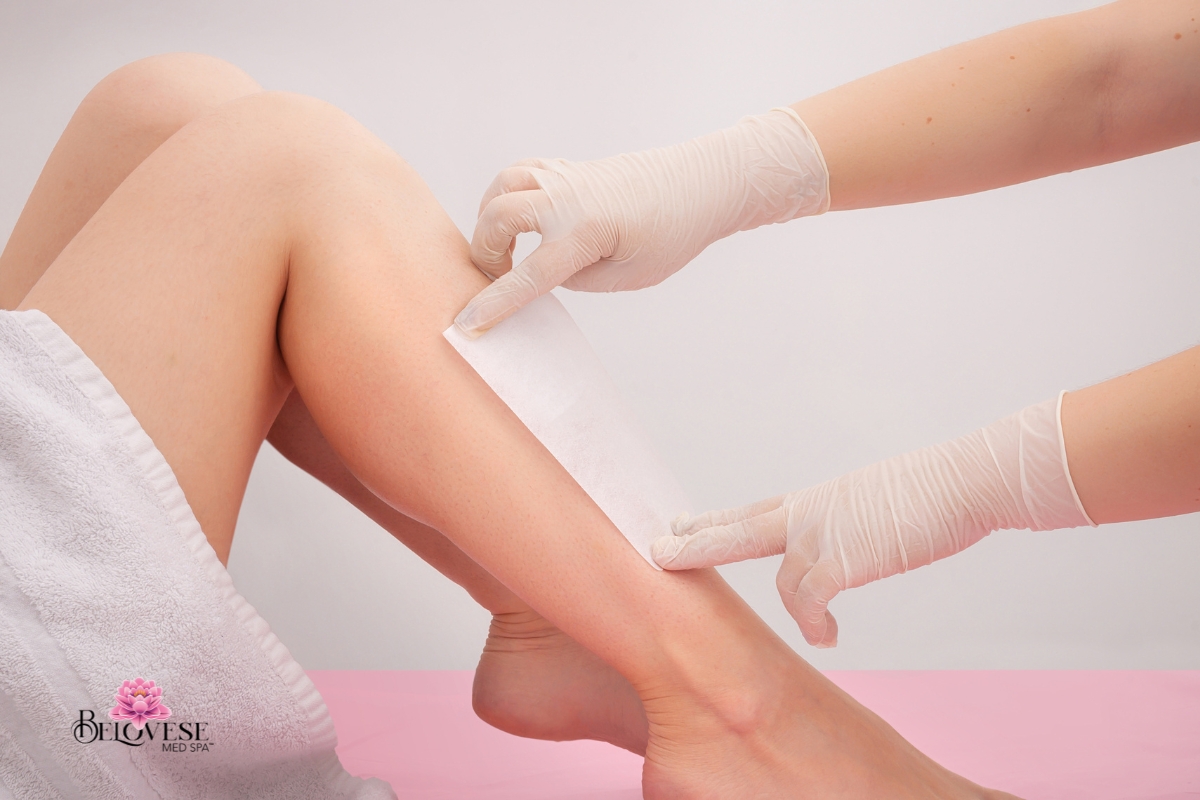
Waxing Aftercare Tips: Avoid Irritation & Ingrown Hairs
Smooth skin after a wax appointment feels great, but without proper waxing aftercare, irritation and ingrown hairs can follow. Post wax reactions are entirely preventable. Most happen because of what clients do or skip in the hours right after their appointment.
At Belovese Med Spa, our licensed estheticians walk every client through post waxing care before they leave. From the right products to the right timing, proper aftercare keeps skin calm, clear, and smooth. If you want results that last, caring for your skin after professional waxing services matters just as much as the appointment itself.
Immediate Aftercare Steps to Take Within 24 Hours of Waxing
Waxed skin stays sensitive for up to 24 hours after an appointment. Knowing the right after wax tips and skin care steps during this window prevents most irritation from developing.
Soothe skin immediately with an unscented, calming product: Aloe vera gel or witch hazel applied right after your appointment reduces surface redness and inflammation without blocking freshly opened follicles. Browse gentle skincare products formulated for use after waxing to keep your routine effective.
Keep all heat sources away from waxed skin for a full 24 hours: Hot showers, saunas, steam rooms, and direct sun exposure all intensify inflammation in follicles that need time to close and settle properly.
Wear loose, breathable cotton over every waxed area: Synthetic fabrics and tight waistbands create friction and trap heat against skin that requires airflow and space to recover without irritation.
Skip exercise for at least 24 hours after waxing: Sweat carries bacteria directly into open follicles, raising the risk of bumps and breakouts across freshly treated skin areas.
Avoid fragranced lotions, perfumes, and deodorants containing aluminum compounds: Synthetic fragrance and aluminum salts both irritate open follicles and rank among the most common causes of rashes and reactions after waxing.
Day 2 to Day 5: How to Support Skin Recovery After Waxing
Days two through five represent the most important window to prevent ingrown hairs and keep skin recovering on track.
Start gentle exfoliation at the 48 to 72 hour mark, not before: Exfoliating too early on raw follicles causes friction and irritation rather than preventing ingrown hairs from forming beneath the surface.
Exfoliate two to three times per week using a low-percentage chemical or gentle physical exfoliant: Consistent but moderate exfoliation clears dead skin buildup around follicles, which directly reduces the chance of hairs curling back into skin after wax care.
Apply a lightweight, fragrance-free moisturizer every morning and evening: Hydrated skin maintains a stronger barrier, recovers faster, and stays less prone to dryness-related irritation during the days following your appointment.
Watch for late bumps after waxing that go beyond normal redness: Standard post-wax redness clears within 24 to 48 hours. Clusters of small red or white pustules that spread or linger past day two signal folliculitis after waxing, a bacterial inflammation of the follicle. Contact your esthetician before attempting any aggressive at-home treatment on affected areas.
Best Skin Care Ingredients to Apply After Waxing Sessions
Picking the right ingredients after waxing matters far more than picking the right brand.
Salicylic acid (0.5 to 2%): As an oil-soluble BHA, salicylic acid penetrates the follicle and dissolves dead skin buildup before hair curls back under the surface. Start on day 3, two to three times per week.
Aloe vera: Apply pure aloe vera directly to waxed skin within hours of your appointment to reduce surface inflammation and deliver lightweight hydration without blocking freshly opened follicles.
Witch hazel (alcohol-free only): Alcohol-free witch hazel calms redness and tightens pores gently without stripping the moisture your skin barrier needs to recover properly.
Tea tree oil: Mix tea tree oil to a 1 to 2% dilution in a carrier oil like jojoba before applying. At that concentration, it provides targeted antibacterial protection without irritating sensitized skin.
Glycolic acid: Hold off on glycolic acid until week two, once skin has fully settled. At that point, it accelerates dead cell turnover and keeps follicles clear between appointments.
Products and Ingredients You Should Never Use After Waxing
Certain products cause more harm to freshly waxed skin than people expect.
Heavy body oils and thick creams: Occlusive formulas trap bacteria inside freshly opened follicles and block the airflow skin needs to recover, leading directly to post-wax congestion and breakouts.
Retinoids and prescription-strength AHAs: Applying retinol or high-concentration acids within 72 hours of waxing aggressively over-exfoliates skin that cannot handle additional chemical stimulation at that stage.
Alcohol-based toners: Alcohol strips moisture from follicle walls, breaks down the skin barrier, and leaves skin dry and far more susceptible to ingrown hair development.
Fragranced lotions and body sprays: Synthetic fragrance compounds rank among the most common contact irritants on sensitized post-wax skin, regularly triggering rashes and delayed allergic reactions.
Aluminum-based deodorants on underarms: Aluminum salts clog freshly opened pores immediately after waxing, causing painful bumps that even the best soothing skin tips cannot reverse once they form.
Post Wax Aftercare by Area: Face, Bikini, Legs, Underarms
Every waxed area on your body carries its own recovery needs, and treating all areas the same way leads to preventable problems.
Face
Skip makeup for a full 24 hours after facial waxing and avoid retinol for 48 to 72 hours. Icing after face wax reduces visible redness fast, and pairing regular facial treatments with daily SPF 30 or higher protects sensitized skin from UV damage during recovery.
Brazilian and Bikini
Wear loose cotton underwear right after a bikini or Brazilian wax and avoid tight jeans for at least 48 hours. Breathable fabrics reduce trapped moisture, which ranks as one of the leading triggers for ingrown hairs after waxing the pubic area.
Legs
Begin exfoliating legs three times per week starting on day 3, using a gentle formula to keep follicles clear between appointments. Avoid tanning beds for seven days and apply a lightweight, unscented lotion daily to support recovery across larger waxed areas.
Underarms
Skip aluminum-based deodorant for 24 hours and use an aloe-based roll-on as a comfortable day-one alternative. Loose tops reduce fabric friction on freshly waxed underarm skin, letting it recover with proper airflow rather than compression.
What to Do When Ingrown Hairs Appear After Your Wax Service
Ingrown hairs respond well to early, targeted treatment when you act before inflammation takes hold.
Apply a warm compress for 5 to 10 minutes: Gentle heat opens the follicle and draws a trapped hair closer to the surface, making it far easier to treat without causing additional skin damage.
Use salicylic or glycolic acid directly on the bump twice daily: Both acids dissolve the dead skin blockage trapping the hair inside the follicle, which is the most effective way to get rid of bumps after waxing without manual interference.
Free a visibly looping hair using a sterile, alcohol-wiped needle: Carefully lift the looped tip to the surface only. Digging into skin causes scarring and worsens the problem significantly.
Never squeeze a bump: Applying pressure pushes bacteria deeper into the follicle, extends recovery time, and increases the chance of a painful infection forming.
Your Post Wax Skin Care Routine Starts With These Steps
Proper aftercare starts with a professional waxing experience built around your skin. At Belovese Med Spa in Tifton, GA, Shelby and our licensed team walk every client through a personalized post-wax care plan at each visit so you leave knowing exactly what to do next.
Ready for smooth, comfortable results that last? Book your waxing appointment online or call us directly at (229) 264-5352.
FAQs
Can I shower right after waxing?
Lukewarm water is safe immediately after your appointment, but hot showers need to wait a full 24 hours to avoid inflaming freshly opened follicles.How long should I wait to exercise after waxing?
Waiting a minimum of 24 hours before exercising protects open follicles from sweat and bacteria that commonly cause bumps and irritation after waxing.How often should I exfoliate to prevent ingrown hairs?
Starting on day 3, exfoliating two to three times per week with a gentle product keeps follicles clear and helps prevent ingrown hairs from forming.What causes white bumps after a Brazilian wax?
Folliculitis after waxing and blocked follicles both produce white bumps in the pubic area. After wax acne and ingrown hairs are two different conditions that often get confused.When should I be concerned about post-wax bumps?
Post-wax bumps lasting beyond seven days, spreading redness, or any green or yellow discharge need professional attention rather than continued at-home care.

COMPANY
SERVICES
ADDRESS


COMPANY
SERVICES
ADDRESS
Copyright 2026. Belovese Med Spa. All Rights Reserved.
Made with ❤️by The Revive Agency.