

How Professional Facials Improve Your Skin: Benefits, Types & Results
People are becoming more selective about how they care for their skin, with a growing preference for treatments supported by clinical standards. Results matter, and so does safety. That shift has created a demand for options that go beyond surface-level beauty routines.
Confusion often surrounds facial treatments. Some wonder whether they serve a true function or simply offer a temporary feel-good experience. Others hesitate because they’ve seen too many generalized claims with no visible progress.
Professional care, when delivered in the right environment, helps bridge that gap. At Belovese, every treatment reflects a deeper understanding of skin function, long-term improvement, and patient comfort through expert-guided decisions rooted in proven techniques.
What Are Professional Facials?
Professional facials use clinical techniques to improve skin health, guided by trained providers who understand skin structure and treatment response.
Medical-grade care
Treatments use concentrated ingredients and advanced tools selected based on real skin needs, not trends.Licensed application
Providers assess skin in person, apply safe protocols, and adjust based on how skin reacts over time.Targeted results
Each facial supports a specific goal like clearing congestion, restoring hydration, or improving skin tone through proven steps.Spa-based options
Focus often centers on relaxation rather than lasting skin improvements, with milder products and generalized techniques.At-home routines
Products help maintain daily skin function but cannot replace expert-driven treatments or professional technology.
How Do Professional Facials Improve Skin Health?
Healthy skin depends on how well it functions, not just how it looks. Professional care supports that function through targeted techniques that strengthen structure and restore balance.
Strengthens the skin barrier
Treatments help rebuild the outer layer, reducing water loss and protecting against outside irritants.
Stimulates cellular renewal
Controlled exfoliation removes dead cells and encourages new, healthy layers to form naturally.
Improves hydration absorption
Medical techniques allow ingredients like hyaluronic acid and peptides to reach deeper layers where moisture is needed most.
Calms surface reactivity
Soothing agents reduce redness and help regulate flare-ups linked to stress or sensitivity.
Supports nutrient delivery
Increased circulation brings oxygen and repair-supporting nutrients directly to skin tissue.
What Are the Main Benefits of Professional Facials?
Medical-grade facials do more than enhance appearance; they create lasting improvements by addressing skin health at a deeper level.
Refines surface texture
Smoother skin comes from controlled exfoliation that removes buildup and improves overall tone.Unclogs pores effectively
Targeted cleansing methods remove buildup effectively without harming skin or triggering surface irritation.Promotes collagen repair
Facials that include peptides or stimulation tools help improve firmness and slow visible aging.Targets uneven pigment
Safe brightening agents reduce the appearance of sun spots and discoloration over multiple sessions.Soothes inflamed skin
Calming formulas restore balance and help reduce chronic redness or stress-related reactivity.Improves moisture retention
Deep-layer hydration supports barrier repair and keeps skin from drying out between treatments.Boosts your routine at home
Better product absorption means cleansers and serums perform more effectively after each session.
What Types of Facials Work Best for Specific Skin Concerns?
Each skin type presents unique challenges, so selecting the right facial begins with understanding current concerns and treatment goals.
Acne-prone skin
Deep cleansing removes trapped buildup while antibacterial solutions help reduce future breakouts. LED light therapy often supports healing without harsh side effects.
Aging skin
Firmness improves with collagen-boosting ingredients like peptides and vitamin-rich serums. Advanced tools such as microcurrent or radiofrequency help tighten and lift gradually.
Sensitive skin
Facials for reactive skin focus on calming inflammation and rebuilding moisture balance. Treatments avoid strong exfoliants and rely on gentle, restorative methods.
Pigmentation and dullness
Enzyme-rich products and mild acids help fade dark spots and improve overall clarity. Clinical brightening facials work without causing peeling or sensitivity.
Dehydrated skin
Infused hydration treatments use oxygen or ultrasound to push moisture into the skin’s deeper layers. These facials relieve dryness and improve resilience.
What Results Can You Expect from Professional Facials?
Results depend on consistency, skin condition, and treatment type. Many notice visible changes early, while deeper improvements build over time.
Brighter tone and smoother feel
Skin often looks more refreshed after the first visit due to boosted hydration and gentle exfoliation.
Less visible redness
Targeted treatments calm irritation and help reduce lingering inflammation linked to reactive skin.
Refined surface over multiple sessions
Texture becomes smoother over time as cell renewal increases and surface buildup clears gently.
Fewer breakouts with maintenance
Ongoing care supports cleaner pores and more stable oil levels, which help prevent flare-ups.
Slower aging progression
Collagen stimulation helps reduce fine lines while improving skin firmness, structure, and visible elasticity.
More effective home care
Skin absorbs serums and moisturizers better after professional prep, improving overall results.
Consistent care and expert guidance help maintain progress and adapt treatments as skin changes with time.
Are Professional Facials Worth It Long Term?
Skincare goes beyond appearance. Consistent support helps the skin stay balanced, respond better to changes, and hold results longer. A structured facial plan offers more than occasional improvements by working with how the skin functions over time.
Medically guided treatments help manage visible signs linked to aging, sensitivity, and recurring breakouts. Each step targets a real need, using safe methods that respect the skin’s limits while encouraging repair and strength.
Belovese focuses on care that builds trust through results. Treatments are selected to meet individual goals while supporting long-term skin health. Clients gain more than clearer skin, they gain a steady path forward with expert guidance at every step.
FAQs
How often should I get a professional facial?
Most skin types benefit from a monthly facial. Frequency depends on skin goals, current condition, and treatment type. A provider at Belovese can recommend a custom schedule after evaluating your skin.
Can facials help with long-term skin issues like acne or hyperpigmentation?
Yes, consistent clinical care helps manage chronic concerns. Treatments focus on reducing inflammation, supporting healing, and preventing future flare-ups or pigment changes.
Are professional facials safe for sensitive skin?
Yes, when performed by trained providers using the right products. Belovese offers gentle, restorative treatments tailored for reactive or compromised skin barriers.
What is the difference between a spa facial and a medical facial?
Spa facials focus on relaxation. Medical facials use targeted ingredients and advanced tools under clinical guidance to support real skin change.
Will I see results after one facial?
Some benefits appear right away, like improved hydration and smoother texture. Long-term results develop with regular treatments based on your skin’s needs.

GLP-1 Injections vs Weight Loss Pills: Which Option Works Best in Tifton GA?
Interest in medical weight management continues to grow as more people seek options that support long term results. GLP one medications now play an important role in modern weight loss care. Doctors often prescribe these treatments to help regulate appetite, control blood sugar, and support healthier eating habits.
Comparison between injections and oral medications often arises when people evaluate treatment options. Injectable medication delivers the compound directly through the body, while pills enter through the digestive system. Each approach offers different benefits depending on patient preference, consistency, and how the body responds to treatment.
Patients searching for weight loss injections in Tifton often want clear guidance before choosing a treatment path. Providers who offer GLP one injections Tifton GA help patients review available options and determine which approach fits personal goals, health history, and lifestyle.
What Are GLP-1 Medications for Weight Loss?
GLP one refers to glucagon-like peptide one, a hormone that plays an important role in appetite control and blood sugar regulation. Body releases this hormone after eating, which signals the brain that food intake has satisfied hunger. Scientists developed medications that imitate this natural hormone to help patients manage weight and improve metabolic health.
GLP one based medications support weight reduction by affecting several biological processes linked to appetite and digestion. Reduced hunger often leads to lower calorie intake during daily meals. Slow stomach emptying allows people to feel satisfied for longer periods after eating. Blood sugar stability also improves, which helps prevent sudden hunger spikes.
Doctors often include these medications in structured medical weight loss treatment plans. Many programs combine medication with nutritional guidance and lifestyle changes to improve results. Semaglutide weight loss therapies represent one widely used option within this category.
GLP-1 Injections for Weight Loss: How They Work
Injectable GLP one medications support weight management by influencing hormones that regulate hunger and digestion. Doctors prescribe these treatments when patients struggle with appetite control or metabolic imbalance.
Medication enters the body through a small injection, which allows steady absorption and reliable dosing. Many providers include this option within supervised weight management programs to help patients build healthier eating patterns and long term results.
Hormone Mimic Action
Medication imitates natural GLP one hormones, which signal the brain to reduce hunger and support better appetite regulation.Reduced Appetite Signals
Brain receives stronger fullness signals after meals, helping patients naturally decrease portion sizes and daily calorie intake.Slower Digestive Emptying
Food remains in the stomach longer, which extends feelings of fullness and helps prevent frequent hunger between meals.Improved Metabolic Control
Medication helps stabilize blood sugar levels, which supports balanced energy levels and reduces sudden cravings for food.
GLP-1 Weight Loss Pills: How They Work
Oral medications provide another approach for people who prefer tablets instead of injections. Doctors prescribe these medications to support appetite control and better eating habits during supervised weight management care.
Pill based treatment requires consistent daily use and proper timing to help the body absorb medication effectively. Digestive absorption differs from injectable treatment, yet both options aim to influence hormones linked to hunger and satiety.
Digestive Absorption Process
Medication enters the digestive tract after swallowing, where intestinal lining gradually absorbs active compounds into the bloodstream.Hormone Receptor Activation
Absorbed medication interacts with GLP one receptors that influence appetite signals and support improved glucose regulation.Reduced Hunger Signals
Brain receives hormonal signals that help lower appetite intensity and support better control over daily calorie intake.Longer Satiety After Meals
Digestive slowdown promotes longer fullness after eating which helps reduce frequent snacking and supports structured eating habits.
GLP-1 Injections vs Weight Loss Pills: Key Differences
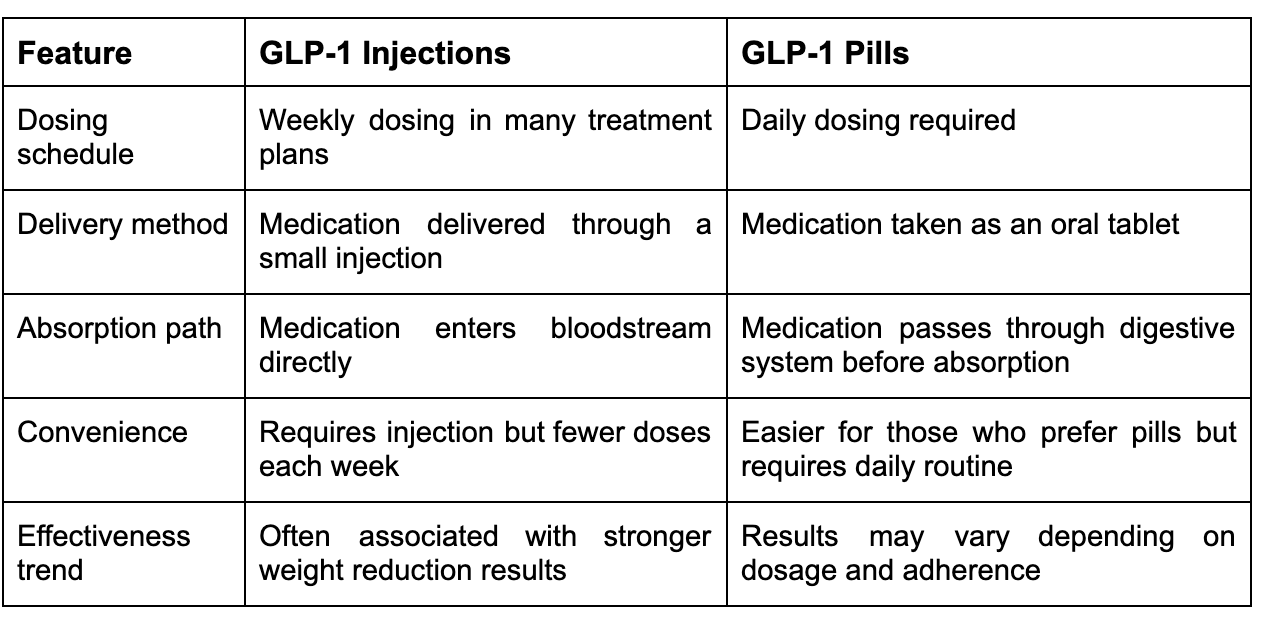
Choice between injections and pills depends on treatment goals, medical history, and lifestyle habits. Some individuals prefer weekly dosing because it requires less frequent administration. Others feel more comfortable with oral medication taken each day.
Health providers often review patient preferences and health factors before recommending a treatment plan. Understanding differences between delivery methods helps patients decide which approach aligns with personal comfort and long term weight management goals.

Which Option Is More Effective for Weight Loss?
Effectiveness often depends on how medication interacts with appetite signals and metabolic function. Injectable treatment often produces stronger outcomes in clinical settings because medication enters the bloodstream directly and maintains steady activity.
Oral medication can still support weight reduction when patients follow dosing instructions carefully. Many providers evaluate patient health history, weight goals, and lifestyle habits before recommending a treatment path.
Medication Strength and Dosage
Higher dosing levels and appropriate titration schedules often influence how strongly medication affects appetite control and weight reduction progress.Consistency of Treatment Use
Regular dosing and adherence to medical instructions support stable hormone activity and improve long term treatment outcomes.Daily Nutrition and Physical Activity
Balanced eating patterns and regular physical activity help medication support sustainable weight management and metabolic health improvements.Individual Metabolism and Health Factors
Metabolic rate, insulin sensitivity, and existing health conditions influence how the body responds to medication assisted weight management.
Side Effects of GLP-1 Injections vs Pills
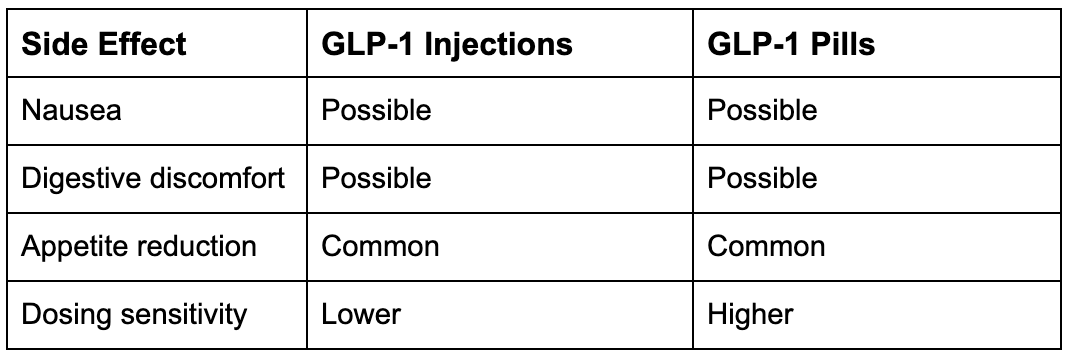
Side effects may occur as the body adapts to hormone based treatment that influences appetite and digestion. Nausea or mild stomach discomfort often appears during early stages of treatment and usually improves as dosage adjustments stabilize hormone activity. Digestive changes may also affect appetite patterns and eating frequency during the first weeks of use.
Medical supervision helps manage symptoms and ensures safe dosage adjustments when needed. Providers monitor patient response and recommend gradual dose increases to support better tolerance and steady progress.
Choosing the Right Weight Loss Option for Your Goals
GLP one based treatments offer two primary options for people seeking medically supervised weight management. Injectable medication often produces stronger results because direct delivery allows steady hormone activity.
Oral medication still provides a practical alternative for individuals who prefer tablets and can maintain consistent dosing habits. Choice between these options depends on personal health goals, lifestyle preferences, and guidance from a qualified medical provider.
Belovese provides medically supervised weight management services for patients who want structured support and professional care. Schedule a consultation with the Belovese team to discuss treatment options and determine whether GLP one injections Tifton GA may support your weight management goals.
FAQs
Which option helps reduce weight faster, injections or pills?
Injectable medication often produces faster weight reduction because hormone delivery remains steady and direct in the body. Oral medication can still support progress when patients follow dosing instructions carefully and maintain consistent eating habits.Do GLP one medications require a prescription?
Prescription approval usually remains necessary because these medications influence appetite hormones and blood sugar regulation. Medical providers evaluate health history and treatment goals before recommending a suitable option.Can oral medication provide results similar to injections?
Oral medication may support weight reduction for individuals who prefer tablets and follow daily dosing requirements carefully. Digestive absorption can influence effectiveness compared with direct hormone delivery through injections.Are side effects common with hormone based weight management medication?
Mild digestive symptoms such as nausea or stomach discomfort may appear when treatment begins. Gradual dosage adjustments and medical supervision often help patients tolerate medication more comfortably.How can someone start medically supervised weight management treatment?
Consultation with a qualified provider allows evaluation of health status, lifestyle habits, and weight management goals. Professional guidance helps determine whether medication based treatment fits an individual care plan.
Contact Us

COMPANY
SERVICES
ADDRESS


COMPANY
SERVICES
ADDRESS
Copyright 2026. Belovese Med Spa. All Rights Reserved.
Made with ❤️by The Revive Agency.