

How Professional Facials Improve Your Skin: Benefits, Types & Results
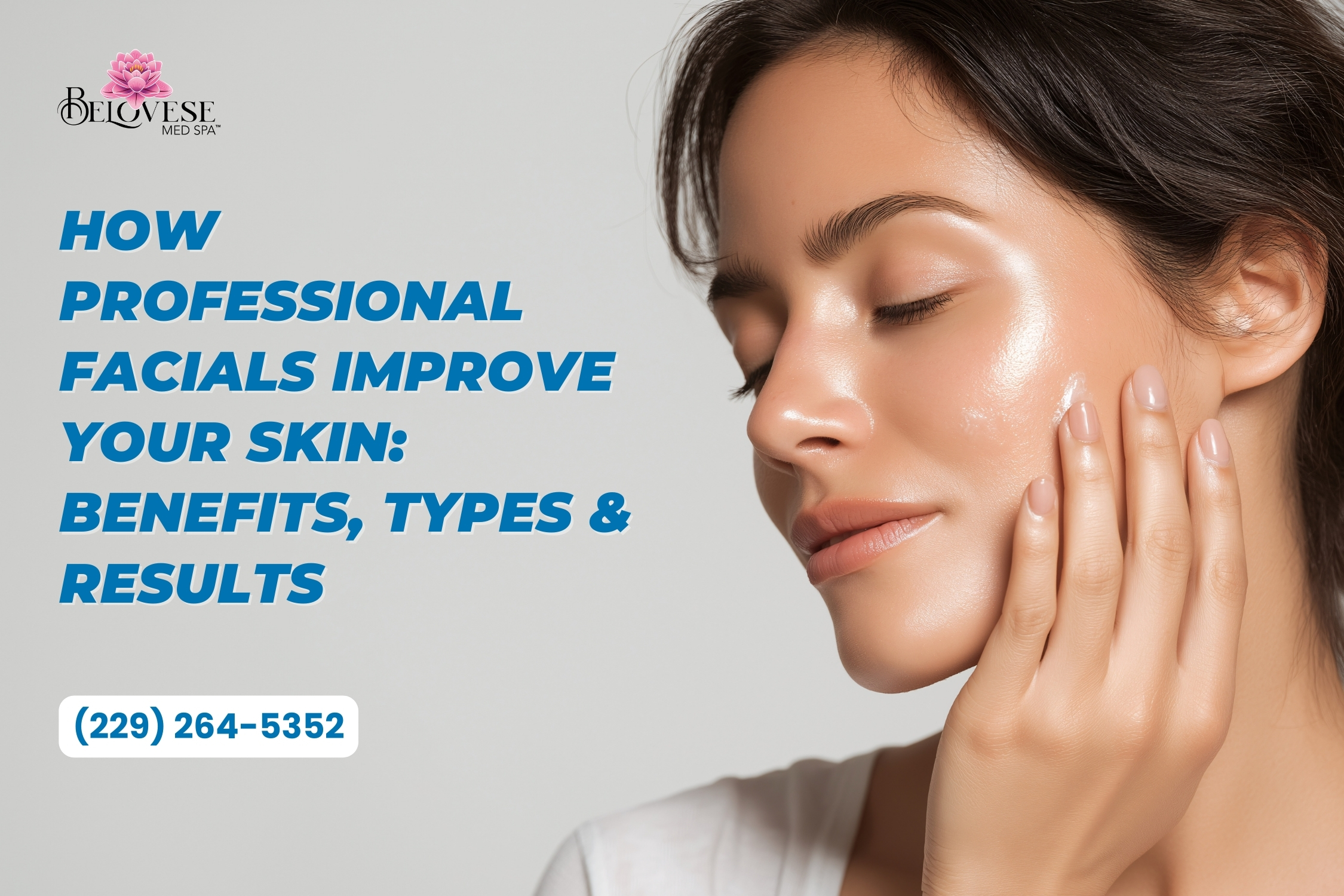
People are becoming more selective about how they care for their skin, with a growing preference for treatments supported by clinical standards. Results matter, and so does safety. That shift has created a demand for options that go beyond surface-level beauty routines.
Confusion often surrounds facial treatments. Some wonder whether they serve a true function or simply offer a temporary feel-good experience. Others hesitate because they’ve seen too many generalized claims with no visible progress.
Professional care, when delivered in the right environment, helps bridge that gap. At Belovese, every treatment reflects a deeper understanding of skin function, long-term improvement, and patient comfort through expert-guided decisions rooted in proven techniques.
What Are Professional Facials?
Professional facials use clinical techniques to improve skin health, guided by trained providers who understand skin structure and treatment response.
Medical-grade care
Treatments use concentrated ingredients and advanced tools selected based on real skin needs, not trends.Licensed application
Providers assess skin in person, apply safe protocols, and adjust based on how skin reacts over time.Targeted results
Each facial supports a specific goal like clearing congestion, restoring hydration, or improving skin tone through proven steps.Spa-based options
Focus often centers on relaxation rather than lasting skin improvements, with milder products and generalized techniques.At-home routines
Products help maintain daily skin function but cannot replace expert-driven treatments or professional technology.
How Do Professional Facials Improve Skin Health?
Healthy skin depends on how well it functions, not just how it looks. Professional care supports that function through targeted techniques that strengthen structure and restore balance.
Strengthens the skin barrier
Treatments help rebuild the outer layer, reducing water loss and protecting against outside irritants.
Stimulates cellular renewal
Controlled exfoliation removes dead cells and encourages new, healthy layers to form naturally.
Improves hydration absorption
Medical techniques allow ingredients like hyaluronic acid and peptides to reach deeper layers where moisture is needed most.
Calms surface reactivity
Soothing agents reduce redness and help regulate flare-ups linked to stress or sensitivity.
Supports nutrient delivery
Increased circulation brings oxygen and repair-supporting nutrients directly to skin tissue.
What Are the Main Benefits of Professional Facials?
Medical-grade facials do more than enhance appearance; they create lasting improvements by addressing skin health at a deeper level.
Refines surface texture
Smoother skin comes from controlled exfoliation that removes buildup and improves overall tone.Unclogs pores effectively
Targeted cleansing methods remove buildup effectively without harming skin or triggering surface irritation.Promotes collagen repair
Facials that include peptides or stimulation tools help improve firmness and slow visible aging.Targets uneven pigment
Safe brightening agents reduce the appearance of sun spots and discoloration over multiple sessions.Soothes inflamed skin
Calming formulas restore balance and help reduce chronic redness or stress-related reactivity.Improves moisture retention
Deep-layer hydration supports barrier repair and keeps skin from drying out between treatments.Boosts your routine at home
Better product absorption means cleansers and serums perform more effectively after each session.
What Types of Facials Work Best for Specific Skin Concerns?
Each skin type presents unique challenges, so selecting the right facial begins with understanding current concerns and treatment goals.
Acne-prone skin
Deep cleansing removes trapped buildup while antibacterial solutions help reduce future breakouts. LED light therapy often supports healing without harsh side effects.
Aging skin
Firmness improves with collagen-boosting ingredients like peptides and vitamin-rich serums. Advanced tools such as microcurrent or radiofrequency help tighten and lift gradually.
Sensitive skin
Facials for reactive skin focus on calming inflammation and rebuilding moisture balance. Treatments avoid strong exfoliants and rely on gentle, restorative methods.
Pigmentation and dullness
Enzyme-rich products and mild acids help fade dark spots and improve overall clarity. Clinical brightening facials work without causing peeling or sensitivity.
Dehydrated skin
Infused hydration treatments use oxygen or ultrasound to push moisture into the skin’s deeper layers. These facials relieve dryness and improve resilience.
What Results Can You Expect from Professional Facials?
Results depend on consistency, skin condition, and treatment type. Many notice visible changes early, while deeper improvements build over time.
Brighter tone and smoother feel
Skin often looks more refreshed after the first visit due to boosted hydration and gentle exfoliation.
Less visible redness
Targeted treatments calm irritation and help reduce lingering inflammation linked to reactive skin.
Refined surface over multiple sessions
Texture becomes smoother over time as cell renewal increases and surface buildup clears gently.
Fewer breakouts with maintenance
Ongoing care supports cleaner pores and more stable oil levels, which help prevent flare-ups.
Slower aging progression
Collagen stimulation helps reduce fine lines while improving skin firmness, structure, and visible elasticity.
More effective home care
Skin absorbs serums and moisturizers better after professional prep, improving overall results.
Consistent care and expert guidance help maintain progress and adapt treatments as skin changes with time.
Are Professional Facials Worth It Long Term?
Skincare goes beyond appearance. Consistent support helps the skin stay balanced, respond better to changes, and hold results longer. A structured facial plan offers more than occasional improvements by working with how the skin functions over time.
Medically guided treatments help manage visible signs linked to aging, sensitivity, and recurring breakouts. Each step targets a real need, using safe methods that respect the skin’s limits while encouraging repair and strength.
Belovese focuses on care that builds trust through results. Treatments are selected to meet individual goals while supporting long-term skin health. Clients gain more than clearer skin, they gain a steady path forward with expert guidance at every step.
FAQs
How often should I get a professional facial?
Most skin types benefit from a monthly facial. Frequency depends on skin goals, current condition, and treatment type. A provider at Belovese can recommend a custom schedule after evaluating your skin.
Can facials help with long-term skin issues like acne or hyperpigmentation?
Yes, consistent clinical care helps manage chronic concerns. Treatments focus on reducing inflammation, supporting healing, and preventing future flare-ups or pigment changes.
Are professional facials safe for sensitive skin?
Yes, when performed by trained providers using the right products. Belovese offers gentle, restorative treatments tailored for reactive or compromised skin barriers.
What is the difference between a spa facial and a medical facial?
Spa facials focus on relaxation. Medical facials use targeted ingredients and advanced tools under clinical guidance to support real skin change.
Will I see results after one facial?
Some benefits appear right away, like improved hydration and smoother texture. Long-term results develop with regular treatments based on your skin’s needs.
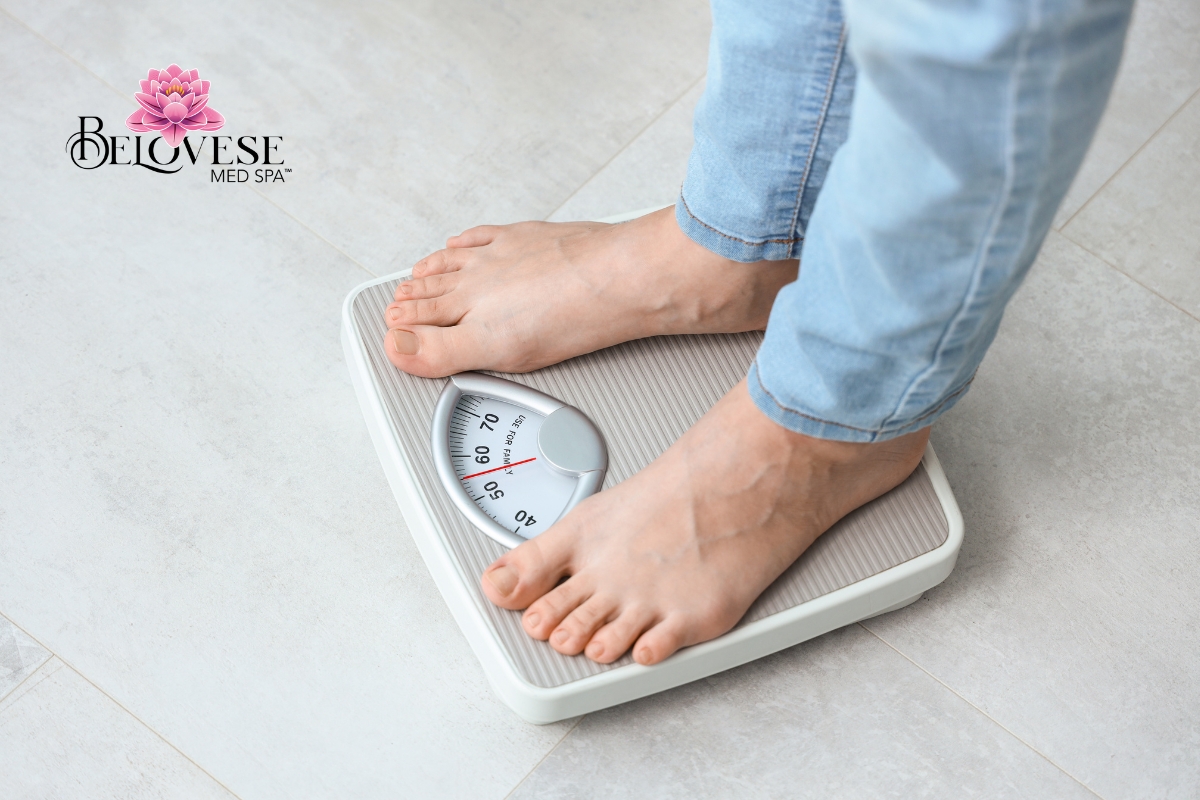
GLP-1 Injections in Tifton: What to Expect When You Start a Medically Guided Weight Loss Plan
Losing weight is rarely just about willpower. For many people in Tifton and across South Georgia, years of dieting, calorie counting, and exercise routines have produced frustrating results — or none at all. If that sounds familiar, you're not alone, and there's a reason it happens.
Weight is a medical issue as much as a lifestyle one. Hunger hormones, metabolism, blood sugar regulation, and insulin sensitivity all play a role. When those systems are working against you, even the most disciplined plan can stall.
GLP-1 injections have changed how many patients and providers approach weight loss. More people across Tifton are turning to medically guided programs using these medications because they target the biology behind weight gain, not just the behavior. Here's what you should know before you start.
What Are GLP-1 Injections?
GLP-1 stands for glucagon-like peptide-1, a hormone your body naturally produces after eating. It signals your brain that you're full, slows down how fast your stomach empties, and helps regulate blood sugar levels. In people with obesity or metabolic challenges, this hormone often doesn't work as effectively as it should.
GLP-1 receptor agonists are medications that mimic this hormone. Two of the most widely used in medically supervised programs right now are semaglutide (the active ingredient in Ozempic and Wegovy) and tirzepatide (the active ingredient in Mounjaro and Zepbound). Both have been evaluated by the FDA for weight management and have significant clinical research behind them.
According to the NIH, participants in semaglutide trials lost an average of 14.9% of their body weight over 68 weeks. Tirzepatide studies showed even higher averages, with some participants losing up to 20% of starting body weight. Individual results vary based on health history, adherence, and lifestyle factors.
These are not quick fixes or appetite suppressants in the traditional sense. GLP-1 medications work with your body's own systems to reduce hunger signals, curb cravings, and make it significantly easier to eat less without feeling deprived.
Why Medically Guided Weight Loss Matters
Starting a GLP-1 injection without proper supervision is a mistake many patients regret. Dosing, timing, and response monitoring all require a trained provider. Skipping that step can mean side effects go unmanaged or dosages stay stuck at levels that simply are not working.
A medical weight loss program built around GLP-1 therapy does several things a pharmacy or telehealth app cannot fully replicate:
Personalizes your starting dose based on your weight, health history, and tolerance
Monitors how you respond over the first weeks and adjusts accordingly
Screens for contraindications, including thyroid conditions, pancreatitis history, and certain medications that interact with GLP-1 agents
Provides nutrition and lifestyle guidance to amplify your results
Tracks progress beyond the scale, including energy levels, blood markers, and body composition where appropriate
Working with a credentialed provider like an APRN or physician also means you have a direct line of communication when something does not feel right. No chatbot replaces that.
What to Expect at Your First Consultation
Your first appointment at a wellness clinic in Tifton like Belovese Med Spa typically covers more ground than patients expect, in a good way.
Rather than walking in and walking out with a prescription, expect a thorough intake process:
Full health history review, including prior weight loss attempts, current medications, and underlying conditions
Biometric assessment covering weight, BMI, blood pressure, and relevant measurements
Lab work, which is not always required on day one but is often recommended to baseline metabolic markers
Goal-setting conversation about what success looks like for you in 3 months, 6 months, and beyond
Treatment recommendation where your provider will suggest the right medication, starting dose, and injection schedule based on everything above
Many patients leave their first visit surprised by how personalized the process feels. A reputable medically supervised weight loss plan is not a one-size-fits-all prescription. It is a starting point built around your specific body and health picture.
What the First Few Weeks Feel Like
Expectations matter here. GLP-1 medications do not produce dramatic changes on day one. Most providers start patients on a lower dose to help the body adjust, then increase gradually over several weeks.
Weeks 1 to 2: Many patients notice reduced appetite and feel full faster than usual. Meals that once seemed normal-sized now feel like too much. Cravings, especially for high-fat or high-sugar foods, often quiet down noticeably.
Weeks 3 to 4: Weight loss typically becomes visible on the scale. Losses of 1 to 3 lbs per week are common during the early phase, though individual variation is real. Energy levels may fluctuate as the body adjusts.
What helps most during this phase:
Prioritizing protein at every meal to preserve muscle while losing fat
Staying well-hydrated, since dehydration can amplify early side effects
Eating smaller, more frequent meals rather than larger ones
Avoiding high-fat or greasy foods, which can worsen digestive discomfort
Patience pays off during these early weeks. Patients who push through the adjustment period typically see more consistent progress in months two and three.
Potential Side Effects and Safety Considerations
GLP-1 medications are well-tolerated by most patients, but side effects are real and worth knowing about before you start.
Most common side effects include:
Nausea, which is most frequent especially at higher doses
Constipation or changes in bowel habits
Mild fatigue
Heartburn or reflux
Reduced appetite, which is also the therapeutic effect
Most of these are dose-dependent, meaning they often improve as your body adjusts or your provider fine-tunes your dosage. Severe or persistent symptoms should always be reported to your medical team.
Patients who may not qualify for GLP-1 treatment:
Patients with a personal or family history of medullary thyroid carcinoma or MEN2 syndrome
Those with a history of pancreatitis
Patients who are pregnant or planning to become pregnant
Individuals with certain digestive conditions
Your consultation will screen for these factors. Both the Mayo Clinic and Cleveland Clinic note that medical supervision significantly reduces the risk of serious complications from GLP-1 therapy.
Lifestyle Changes That Improve Your Results
GLP-1 injections work best as part of a bigger picture. Patients who pair medication with sustainable lifestyle habits consistently see better outcomes than those who rely on medication alone.
Habits worth building from day one:
Eat enough protein. Aim for 0.7 to 1g per pound of goal body weight daily. Protein preserves muscle and keeps you fuller longer.
Move consistently, not intensely. Walking 30 minutes daily does more for long-term metabolic health than occasional intense workouts.
Prioritize sleep. Poor sleep elevates cortisol and hunger hormones, both of which work against weight loss.
Manage stress actively. Chronic stress raises ghrelin, the hunger hormone, and can make cravings harder to resist even on GLP-1.
Show up for follow-ups. Patients who attend regular check-ins lose more weight and maintain results longer than those who skip them.
If hormonal imbalances are also a concern, especially for women approaching perimenopause, pairing your GLP-1 program with hormone therapy services may be worth discussing with your provider. Unaddressed hormone shifts can significantly affect how well weight loss efforts take hold.
Why Tifton Patients Are Choosing GLP-1 Therapy
More patients in Tifton and across South Georgia are asking about GLP-1 treatment because it addresses something traditional diets never could, which is the biology behind persistent hunger and weight gain.
It is non-surgical. It does not require a hospital visit. When supervised properly, it produces real, measurable change for people who have tried everything else.
At Belovese Med Spa, Sherri Crosby, APRN-FNP-C leads every GLP-1 consultation personally. Patients are not passed to a nurse educator or handed a pamphlet. Every person works directly with a credentialed medical provider who monitors progress and adjusts the plan throughout.
Explore our full range of services to see how GLP-1 therapy fits alongside other wellness options available at Belovese.
Frequently Asked Questions
Are GLP-1 injections safe for long-term use?
Current research supports long-term use under medical supervision. Both semaglutide and tirzepatide have been evaluated in multi-year clinical trials. Your provider will continue monitoring your health throughout treatment.
How often do GLP-1 injections need to be administered?
Most GLP-1 medications used for weight loss are injected once weekly. Your provider will walk you through proper self-injection technique at your first appointment.
Will I regain weight when I stop the medication?
Weight regain is possible after stopping GLP-1 therapy, particularly without a maintenance strategy in place. Your provider will help you plan a sustainable transition well before you stop.
Do I need to follow a specific diet while on GLP-1 injections?
No strict diet is required, but patients who prioritize protein, reduce processed foods, and stay hydrated consistently see better outcomes. Your provider may recommend working alongside nutrition guidance as part of your plan.
How is GLP-1 treatment different from weight loss pills?
GLP-1 injections work through hormonal pathways to regulate hunger and blood sugar at a physiological level. Most oral weight loss supplements work through stimulant or absorption-blocking mechanisms with a much weaker evidence base. Clinical data behind GLP-1 medications is substantially stronger.
Is a GLP-1 program available in Tifton, GA?
Yes. Belovese Med Spa in Tifton offers a medically supervised GLP-1 program with personalized consultations, ongoing monitoring, and provider access throughout your treatment. Contact us to schedule your consultation.
Ready to Take the First Step?
Starting a medically guided weight loss plan is not about perfection. It is about finally having the right support, the right tools, and a provider who treats your goals seriously.
For patients in Tifton who have struggled to see lasting results through diet and exercise alone, GLP-1 therapy offers a credible, research-backed path forward. Understanding what to expect, finding a provider you trust, and pairing medication with sustainable habits puts you in the best possible position for real, long-term change.
Belovese Med Spa is here to answer your questions without pressure and help you build a plan that actually fits your life. Book your free consultation today.

COMPANY
SERVICES
ADDRESS


COMPANY
SERVICES
ADDRESS
Copyright 2026. Belovese Med Spa. All Rights Reserved.
Made with ❤️by The Revive Agency.