

How Integrated Weight Loss and Wellness Plans Improve Health and Confidence
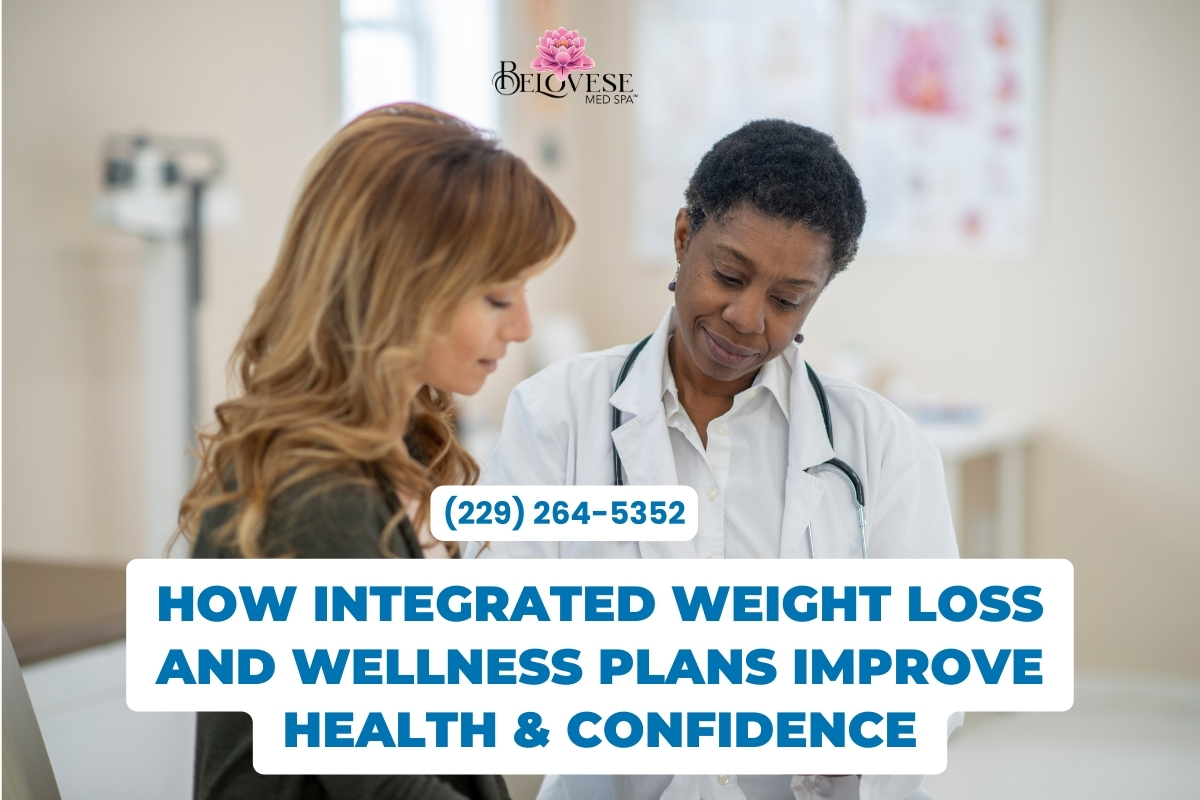
Weight loss care continues to shift away from quick fixes and strict plans that ignore how the body actually works. Many people now look for approaches that support overall health, daily energy, and long term balance rather than short lived results.
Weight management often affects physical health, mental wellbeing, and confidence at the same time. Food choices influence mood and focus. Stress impacts habits and consistency. Supportive care helps people feel steadier, more informed, and more in control throughout the process.
Educational discussion guides this topic without promises or exaggerated outcomes. Integrated weight loss and wellness focuses on patient needs, medical awareness, and realistic progress. Belovese reflects this care model by placing health understanding and confidence building at the center of each wellness decision.
What Does Integrated Weight Loss and Wellness Really Mean
Integrated weight loss and wellness focuses on supporting the whole body through coordinated care rather than treating weight as a single issue.
Medical guidance
Professional evaluation helps identify health factors that influence weight, energy, and safety before changes begin.
Nutrition support
Food planning supports metabolism, blood sugar balance, and daily energy instead of strict restriction.
Lifestyle habits
Sleep quality, movement patterns, and stress levels receive attention because daily habits shape long term progress.
Wellness monitoring
Ongoing check-ins track how the body responds, allowing adjustments based on real health feedback rather than guesswork.
Integrated care differs from diet only or exercise only plans by addressing multiple systems together, creating a stronger foundation for health improvement and confidence growth.
How Medical Oversight Improves Safety and Results
Medical oversight brings structure, safety, and clarity to weight loss planning from the very beginning. Professional evaluation helps align health goals with individual medical needs rather than relying on trial and error.
Health assessment before action
Clinical review identifies underlying conditions that influence weight, energy levels, and physical tolerance.
Medication and history awareness
Care teams consider current medications and past health concerns to reduce unwanted reactions or setbacks.
Metabolic insight
Testing and observation reveal how the body processes food and energy, guiding smarter adjustments.
Expectation management
Clinician guidance sets realistic goals based on health data instead of pressure driven timelines.
Informed oversight reduces risk while supporting steady progress, helping individuals feel confident about each wellness decision.
How Nutrition and Metabolism Support Weight Loss?
Nutrition supports how the body creates energy, manages blood sugar, and maintains daily balance. Food choices affect hormone signals, fuel use, and mental clarity throughout the day. Consistent nutrition habits help stabilize energy levels and reduce sudden hunger shifts that disrupt routines. Thoughtful guidance helps people understand how meals support physical function rather than focusing only on restriction.
Sustainable progress depends on metabolic support rather than short term control. Balanced intake helps the body respond better to activity, rest, and stress. Education around nutrition builds awareness and confidence with everyday choices. Long term wellness improves when nutrition fits lifestyle needs and supports steady metabolic health instead of forcing rigid rules.
How Hormone Balance Supports Energy and Weight Control
Hormones play a central role in how the body manages hunger, energy use, mood, and fat storage. Balanced hormone activity helps people feel steadier, more motivated, and better equipped to maintain healthy habits.
Appetite regulation
Hormone signals guide hunger and fullness cues, which influences food choices and portion awareness.
Energy production
Balanced levels support stable energy throughout the day rather than sudden fatigue or crashes.
Mood and motivation
Hormone health affects emotional stability, focus, and consistency with daily routines.
Wellness evaluation
Care teams often review hormone patterns to understand barriers that slow progress or reduce confidence.
Physical balance supports daily energy, clearer focus, and stronger self confidence during a wellness plan.
How Do Mental Health and Confidence Affect Weight Loss?
Mental wellbeing plays a major role in daily health choices. Stress can disrupt routines, affect sleep, and influence eating patterns. Mindset shapes how people respond to setbacks and progress. Self image often determines consistency, especially during long term wellness efforts. Supportive care helps individuals feel understood rather than judged, which improves follow through.
Confidence grows as physical health improves, yet confidence also fuels better habits. Feeling capable encourages steady routines and healthier decisions. Emotional balance helps people stay engaged during slow periods without losing motivation. Integrated care connects mental and physical health, allowing wellness plans to support both progress and self trust at the same time.
Why Personalized Wellness Plans Work Better
Personalized wellness planning recognizes that health goals differ based on lifestyle, medical history, and daily routines. Individual focus helps people stay engaged and realistic about progress without forcing generic rules that fail over time.
Individual health history
Personal background such as past conditions and current health status guides safer and smarter planning.
Lifestyle alignment
Daily schedules, stress levels, and activity patterns shape plans that feel practical and sustainable.
Goal driven structure
Clear personal goals create direction and accountability instead of pressure or comparison.
Patient centered care
Ongoing collaboration builds trust, encourages consistency, and supports long term commitment to wellness.
Why Integrated Wellness Supports Long Term Health
Integrated weight loss and wellness plans support health and confidence by addressing how the body and mind work together. Medical insight, nutrition awareness, and lifestyle guidance create a balanced approach that feels realistic and steady. Progress becomes easier to maintain when care looks beyond short term outcomes.
Education and safety remain central throughout the process. Informed decisions help reduce risk and prevent frustration caused by extreme methods. Sustainable routines build trust in the process and allow gradual improvement without pressure or unrealistic expectations.
Holistic care encourages long term thinking and patient focused support. Thoughtful wellness planning helps people feel confident about choices that support daily life and overall health. Schedule a consultation with Belovese to learn how integrated care can support a healthier and more confident future.
FAQs
How do integrated weight loss and wellness plans differ from standard programs?
Integrated plans address medical health, nutrition, lifestyle habits, and mental wellbeing together. Standard programs often focus only on diet or exercise, which limits long term results and consistency.
Why does medical guidance matter during a weight loss plan?
Medical guidance helps identify health factors that affect safety and progress. Professional insight supports realistic goals, safer adjustments, and informed decision making throughout the process.
Can wellness focused weight loss improve confidence?
Confidence often improves when physical health, energy levels, and emotional balance improve together. Supportive care helps people feel more in control, which encourages consistency and self trust.
Are integrated wellness plans suitable for busy lifestyles?
Personalized planning considers daily schedules, stress levels, and routines. Flexible structure helps people stay engaged without disrupting work or personal responsibilities.
What should someone expect during an integrated wellness consultation?
Initial consultations focus on health history, goals, and lifestyle factors. Clear education helps set expectations and build a plan that supports steady and sustainable progress.
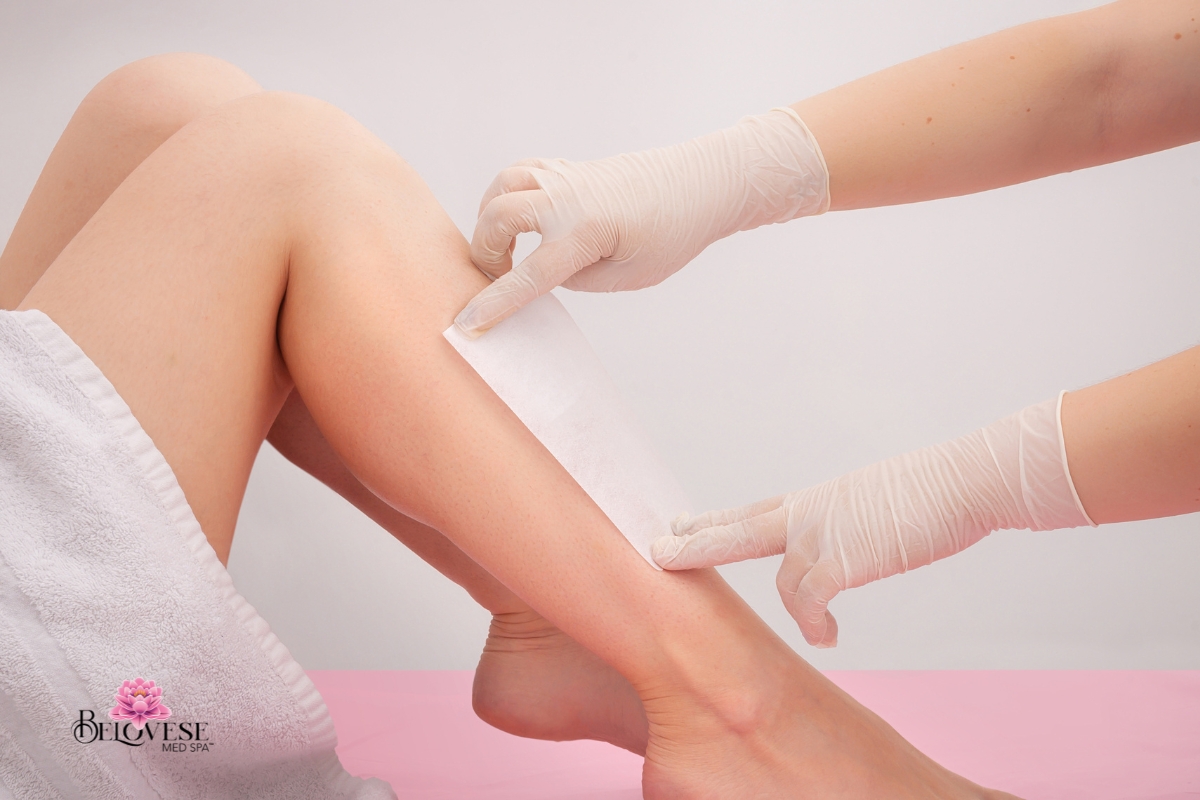
Waxing Aftercare Tips: Avoid Irritation & Ingrown Hairs
Smooth skin after a wax appointment feels great, but without proper waxing aftercare, irritation and ingrown hairs can follow. Post wax reactions are entirely preventable. Most happen because of what clients do or skip in the hours right after their appointment.
At Belovese Med Spa, our licensed estheticians walk every client through post waxing care before they leave. From the right products to the right timing, proper aftercare keeps skin calm, clear, and smooth. If you want results that last, caring for your skin after professional waxing services matters just as much as the appointment itself.
Immediate Aftercare Steps to Take Within 24 Hours of Waxing
Waxed skin stays sensitive for up to 24 hours after an appointment. Knowing the right after wax tips and skin care steps during this window prevents most irritation from developing.
Soothe skin immediately with an unscented, calming product: Aloe vera gel or witch hazel applied right after your appointment reduces surface redness and inflammation without blocking freshly opened follicles. Browse gentle skincare products formulated for use after waxing to keep your routine effective.
Keep all heat sources away from waxed skin for a full 24 hours: Hot showers, saunas, steam rooms, and direct sun exposure all intensify inflammation in follicles that need time to close and settle properly.
Wear loose, breathable cotton over every waxed area: Synthetic fabrics and tight waistbands create friction and trap heat against skin that requires airflow and space to recover without irritation.
Skip exercise for at least 24 hours after waxing: Sweat carries bacteria directly into open follicles, raising the risk of bumps and breakouts across freshly treated skin areas.
Avoid fragranced lotions, perfumes, and deodorants containing aluminum compounds: Synthetic fragrance and aluminum salts both irritate open follicles and rank among the most common causes of rashes and reactions after waxing.
Day 2 to Day 5: How to Support Skin Recovery After Waxing
Days two through five represent the most important window to prevent ingrown hairs and keep skin recovering on track.
Start gentle exfoliation at the 48 to 72 hour mark, not before: Exfoliating too early on raw follicles causes friction and irritation rather than preventing ingrown hairs from forming beneath the surface.
Exfoliate two to three times per week using a low-percentage chemical or gentle physical exfoliant: Consistent but moderate exfoliation clears dead skin buildup around follicles, which directly reduces the chance of hairs curling back into skin after wax care.
Apply a lightweight, fragrance-free moisturizer every morning and evening: Hydrated skin maintains a stronger barrier, recovers faster, and stays less prone to dryness-related irritation during the days following your appointment.
Watch for late bumps after waxing that go beyond normal redness: Standard post-wax redness clears within 24 to 48 hours. Clusters of small red or white pustules that spread or linger past day two signal folliculitis after waxing, a bacterial inflammation of the follicle. Contact your esthetician before attempting any aggressive at-home treatment on affected areas.
Best Skin Care Ingredients to Apply After Waxing Sessions
Picking the right ingredients after waxing matters far more than picking the right brand.
Salicylic acid (0.5 to 2%): As an oil-soluble BHA, salicylic acid penetrates the follicle and dissolves dead skin buildup before hair curls back under the surface. Start on day 3, two to three times per week.
Aloe vera: Apply pure aloe vera directly to waxed skin within hours of your appointment to reduce surface inflammation and deliver lightweight hydration without blocking freshly opened follicles.
Witch hazel (alcohol-free only): Alcohol-free witch hazel calms redness and tightens pores gently without stripping the moisture your skin barrier needs to recover properly.
Tea tree oil: Mix tea tree oil to a 1 to 2% dilution in a carrier oil like jojoba before applying. At that concentration, it provides targeted antibacterial protection without irritating sensitized skin.
Glycolic acid: Hold off on glycolic acid until week two, once skin has fully settled. At that point, it accelerates dead cell turnover and keeps follicles clear between appointments.
Products and Ingredients You Should Never Use After Waxing
Certain products cause more harm to freshly waxed skin than people expect.
Heavy body oils and thick creams: Occlusive formulas trap bacteria inside freshly opened follicles and block the airflow skin needs to recover, leading directly to post-wax congestion and breakouts.
Retinoids and prescription-strength AHAs: Applying retinol or high-concentration acids within 72 hours of waxing aggressively over-exfoliates skin that cannot handle additional chemical stimulation at that stage.
Alcohol-based toners: Alcohol strips moisture from follicle walls, breaks down the skin barrier, and leaves skin dry and far more susceptible to ingrown hair development.
Fragranced lotions and body sprays: Synthetic fragrance compounds rank among the most common contact irritants on sensitized post-wax skin, regularly triggering rashes and delayed allergic reactions.
Aluminum-based deodorants on underarms: Aluminum salts clog freshly opened pores immediately after waxing, causing painful bumps that even the best soothing skin tips cannot reverse once they form.
Post Wax Aftercare by Area: Face, Bikini, Legs, Underarms
Every waxed area on your body carries its own recovery needs, and treating all areas the same way leads to preventable problems.
Face
Skip makeup for a full 24 hours after facial waxing and avoid retinol for 48 to 72 hours. Icing after face wax reduces visible redness fast, and pairing regular facial treatments with daily SPF 30 or higher protects sensitized skin from UV damage during recovery.
Brazilian and Bikini
Wear loose cotton underwear right after a bikini or Brazilian wax and avoid tight jeans for at least 48 hours. Breathable fabrics reduce trapped moisture, which ranks as one of the leading triggers for ingrown hairs after waxing the pubic area.
Legs
Begin exfoliating legs three times per week starting on day 3, using a gentle formula to keep follicles clear between appointments. Avoid tanning beds for seven days and apply a lightweight, unscented lotion daily to support recovery across larger waxed areas.
Underarms
Skip aluminum-based deodorant for 24 hours and use an aloe-based roll-on as a comfortable day-one alternative. Loose tops reduce fabric friction on freshly waxed underarm skin, letting it recover with proper airflow rather than compression.
What to Do When Ingrown Hairs Appear After Your Wax Service
Ingrown hairs respond well to early, targeted treatment when you act before inflammation takes hold.
Apply a warm compress for 5 to 10 minutes: Gentle heat opens the follicle and draws a trapped hair closer to the surface, making it far easier to treat without causing additional skin damage.
Use salicylic or glycolic acid directly on the bump twice daily: Both acids dissolve the dead skin blockage trapping the hair inside the follicle, which is the most effective way to get rid of bumps after waxing without manual interference.
Free a visibly looping hair using a sterile, alcohol-wiped needle: Carefully lift the looped tip to the surface only. Digging into skin causes scarring and worsens the problem significantly.
Never squeeze a bump: Applying pressure pushes bacteria deeper into the follicle, extends recovery time, and increases the chance of a painful infection forming.
Your Post Wax Skin Care Routine Starts With These Steps
Proper aftercare starts with a professional waxing experience built around your skin. At Belovese Med Spa in Tifton, GA, Shelby and our licensed team walk every client through a personalized post-wax care plan at each visit so you leave knowing exactly what to do next.
Ready for smooth, comfortable results that last? Book your waxing appointment online or call us directly at (229) 264-5352.
FAQs
Can I shower right after waxing?
Lukewarm water is safe immediately after your appointment, but hot showers need to wait a full 24 hours to avoid inflaming freshly opened follicles.How long should I wait to exercise after waxing?
Waiting a minimum of 24 hours before exercising protects open follicles from sweat and bacteria that commonly cause bumps and irritation after waxing.How often should I exfoliate to prevent ingrown hairs?
Starting on day 3, exfoliating two to three times per week with a gentle product keeps follicles clear and helps prevent ingrown hairs from forming.What causes white bumps after a Brazilian wax?
Folliculitis after waxing and blocked follicles both produce white bumps in the pubic area. After wax acne and ingrown hairs are two different conditions that often get confused.When should I be concerned about post-wax bumps?
Post-wax bumps lasting beyond seven days, spreading redness, or any green or yellow discharge need professional attention rather than continued at-home care.

COMPANY
SERVICES
ADDRESS


COMPANY
SERVICES
ADDRESS
Copyright 2026. Belovese Med Spa. All Rights Reserved.
Made with ❤️by The Revive Agency.