

How Dermal Fillers Can Restore Facial Volume and Smooth Lines

Aging shows up in more ways than fine lines. Facial shape can also change over time. Cheeks may look flatter, under eyes may appear more hollow, and skin may not look as firm as it once did. Facial volume loss often plays a bigger role than most people realize.
When volume drops, lines can look deeper. Smile lines and folds near the mouth may stand out more, even with great skin care. Makeup can also sit differently, which surprises a lot of people.
Dermal fillers can help bring back softer facial contours and smooth the look of lines without surgery. How Dermal Fillers Can Restore Facial Volume and Smooth Lines depends on your anatomy, product choice, and injector skill. Belovese focuses on non-surgical facial rejuvenation with natural-looking filler results that still look like you.
What Is Facial Volume Loss and Why It Matters
Facial changes often happen below the surface before lines become obvious. Facial volume loss develops as support structures weaken and shift with age. Cheeks may appear flatter, eyes can look more sunken, and folds near the mouth can deepen.
Changes occur slowly, which explains why many people notice aging signs all at once rather than gradually. Volume changes remain common and natural across all skin types and face shapes.
Collagen decline
Gradual collagen decline reduces internal support which changes facial shape and contributes to
visible aging signs.
Fat pad movement
Shifting fat pads move downward over time which affects cheek fullness and overall midface appearance balance.
Reduced skin elasticity
Skin elasticity decreases slowly causing under eye hollows and making facial contours appear less smooth over years.
Deeper facial folds
Volume reduction around the mouth deepens nasolabial folds and marionette lines even without new wrinkle formation appearing naturally.
What Are Dermal Fillers and How Do They Work
Dermal fillers support facial shape by adding volume beneath the skin. Providers place these gel based products in targeted areas to restore balance and softness.
Many people choose fillers as part of non surgical facial rejuvenation because treatment focuses on structure rather than surface care alone. Safety depends on proper product choice, technique, and facial assessment.
Soft gel structure
Dermal fillers use smooth gel material placed beneath skin to add volume and support facial contours.
Hyaluronic acid base
Most products rely on hyaluronic acid fillers which attract moisture and help skin look fuller naturally over time.
Collagen support
Certain formulas may encourage collagen stimulation over time which helps improve skin texture gradually with age naturally.
Temporary results
Results do not last forever and duration depends on treatment area metabolism and individual response patterns vary widely.
Hyaluronic acid holds water within the skin, which explains the soft and flexible feel after treatment. Skilled injectors focus on balance and dermal filler safety to support natural looking outcomes rather than exaggerated changes.
How Dermal Fillers Restore Facial Volume and Smooth Lines
Facial fillers support aging skin by replacing lost structure beneath the surface. Added volume lifts tissue, which reduces shadowing and makes creases appear softer.
Skilled providers focus on precise placement, proper product choice, and conservative amounts to maintain facial movement. Balanced treatment supports smoother contours without changing how expressions look.
Cheek Fillers and Midface Volume Restoration
Cheeks play a major role in facial balance and overall shape. Volume support in this area often improves nearby folds without direct treatment.
Structural facial support
Cheek fillers rebuild midface volume, helping restore natural lift and improve overall facial proportions.
Fold reduction effect
Midface volume restoration can soften nearby folds by improving support rather than filling lines directly.
Under Eye Filler Tear Trough for Hollowness
Under eye hollows can create a tired or sunken appearance. Careful planning helps protect delicate skin in this area.
Hollow shadow reduction
Under eye filler improves hollow areas that cause dark shadows and tired looking eyes.
Precision based approach
Tear trough treatment requires advanced technique due to thin skin and sensitive anatomy.
Softening Nasolabial Folds and Marionette Lines
Smile lines and downturn lines often deepen as facial support weakens. Structural correction improves appearance more effectively than line filling alone.
Smile line improvement
Nasolabial folds soften when surrounding volume restores balance instead of targeting crease depth directly.
Lower face balance
Marionette lines respond better when lower face support improves overall structure and tension.
Lip Fillers and Jawline Filler for Shape and Support
Lips and jawline influence facial harmony and profile strength. Thoughtful enhancement supports shape while keeping movement natural.
Lip contour enhancement
Lip fillers add subtle fullness and shape while preserving natural movement and soft texture.
Jawline definition support
Jawline filler strengthens chin and jaw structure, improving lower face balance and profile clarity.
What to Expect: Treatment, Timeline, and Results
Clear expectations help people feel more comfortable before scheduling treatment. Appointments usually feel straightforward and move at a steady pace. Visible changes often appear quickly, while subtle refinement continues as swelling resolves. Understanding timing and care helps support natural looking filler results.
What Happens During a Dermal Filler Appointment
Many people feel unsure about what happens during an appointment, but the process stays structured, calm, and focused on comfort and precision.
Consultation and facial review
Provider discusses goals, evaluates facial structure, and plans placement to support balanced results.
Preparation and comfort steps
Numbing cream and careful skin cleaning improve comfort and support safe treatment conditions.
Injection and shaping process
The provider places the product gradually while assessing symmetry and facial movement throughout treatment.
Filler Results Timeline and Longevity
Early fullness appears right away, while refinement takes time. Filler swelling and bruising often peak within a few days. Final appearance usually settles within one to two weeks. How long do dermal fillers last depends on placement area, product type, and individual metabolism.
Filler Aftercare During Early Healing
Limit intense activity briefly
Reduced movement during the first day helps control swelling and supports even settling.
Avoid alcohol and excess heat
Lower heat exposure and alcohol intake can help reduce swelling during early healing.
Follow personalized filler aftercare
Provider instructions vary by area and product to support proper healing and appearanc
How Dermal Fillers Compare to Other Options
Many people compare injectable treatments before making a decision. Understanding how options differ helps set realistic expectations and supports informed choices.
Injectable treatments serve different purposes, and selection depends on facial goals, muscle activity, and volume needs. Providers often explain differences during consultation to match treatment plans with desired outcomes.
Dermal Fillers vs Botox: What’s the Difference?
Dermal fillers vs Botox often come up during aesthetic consultations. Fillers add volume and shape in areas where fullness has faded. Botox relaxes muscle movement that causes expression lines. One option does not replace the other.
Fillers work well for contour support and smoothing static lines. Botox works best for lines caused by repeated facial movement. Some treatment plans include both approaches to address different concerns without overcorrecting any area.
Pros and Cons of Dermal Fillers
Immediate visible improvement
Fillers provide fast volume enhancement and contour support without surgery or long recovery time.
Custom treatment approach
Providers adjust product choice and placement based on facial anatomy and personal goals.
Temporary results
Results fade over time, which allows adjustments but requires maintenance appointments.
Possible short term effects
Mild swelling or bruising can occur, making dermal filler safety and proper aftercare important.
Non surgical facial rejuvenation offers flexible options, and professional guidance helps determine which treatment suits each face best.
Is a Dermal Filler Consultation Right for You?
Facial fillers can support softer contours and reduce the look of lines in a natural way. Volume support often makes the face look more rested without changing expression. Results depend on anatomy, product choice, and treatment technique, so personalization matters.
A consultation helps clarify what will work best for your goals. Skilled placement supports natural-looking filler results and helps avoid an overfilled look. Honest planning also improves dermal filler safety, especially when treating delicate areas like under eyes or around the mouth.
Belovese offers Dermal fillers Tifton GA clients trust for a calm, personalized experience. Scheduling a consultation gives you a chance to ask questions, review options, and create a plan that fits your face and comfort level.
FAQs
What makes medical weight loss different from regular dieting?
Medical programs focus on your health history, lab results, and metabolism instead of only cutting calories. Supervised care allows safe adjustments and better long term results compared to generic diet plans.
How fast can I expect to lose weight with medical support?
Most structured programs aim for about one to two pounds per week. Steady progress protects muscle mass and lowers the chance of gaining weight back later.
Do I need medication to lose weight medically?
Not everyone needs medication. Providers recommend options only when appropriate based on your health profile and personal goals.
Is medical weight loss safe?
Supervised care includes monitoring, clear guidance, and professional oversight. Regular check ins help prevent unsafe practices and support healthy progress.
Where can I find medical weight loss in Tifton?
Belovese offers personalized programs in Tifton with in person evaluations, structured plans, and ongoing support designed for lasting results.
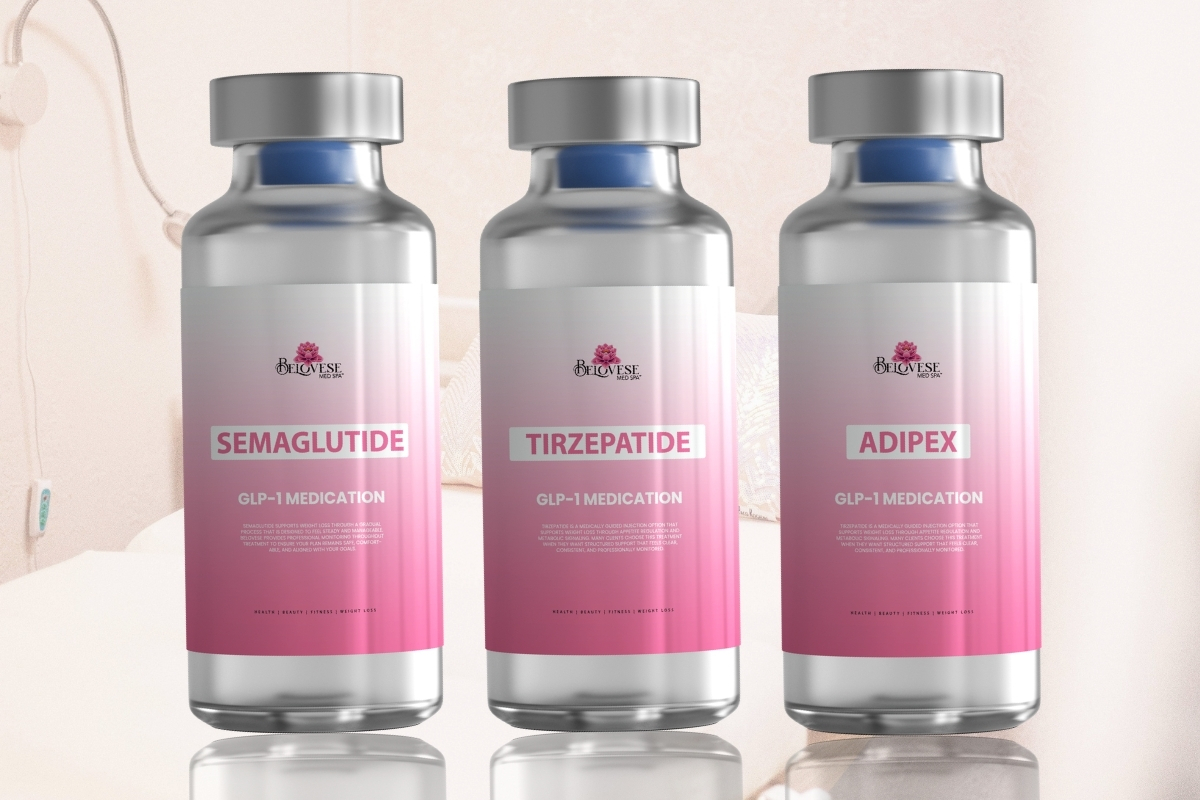
What Are GLP-1 Injections? Why Tifton GA Is Talking in 2026
Conversations about GLP-1 injections are popping up everywhere in Tifton right now. People are asking their doctors about them, bringing them up at the gym, and searching for answers after seeing the topic spread across social media. For a medication class that once felt like a conversation reserved for larger cities, GLP-1 injections in Tifton GA have quickly become something South Georgia residents want to understand on their own terms.
Sherri Crosby, APRN FNP, owner and lead clinician at Belovese Med Spa, hears these questions from patients every week. Rather than leaving residents to sort through what circulates online, here are clear, honest answers from a clinician who works with real people right here in your community.
What Exactly Are GLP-1 Injections?
Before weighing any treatment option, it helps to understand what you are actually considering. GLP-1 injections have generated significant attention nationally, but clear, straightforward information about how they work and what medications fall under that category is harder to find than it should be.
The Science in Plain English
GLP-1 stands for glucagon-like peptide-1, a hormone your small intestine produces naturally after eating. Researchers originally developed medications that mimic GLP-1 to help manage type 2 diabetes. During clinical trials, patients lost significant amounts of weight, which expanded how clinicians began using these medications. Weight loss injections in this category are administered subcutaneously once a week, typically in the belly, thighs, arms, or upper buttocks. Most patients find the process routine after the first few sessions.
The Medications You've Probably Heard Of
Two medications lead most conversations right now. Semaglutide, known as Ozempic for diabetes and Wegovy for weight management, activates a single GLP-1 receptor. Tirzepatide, sold as Mounjaro for diabetes and Zepbound for weight loss, activates two receptors simultaneously, GLP-1 and GIP, giving it a broader effect on appetite and blood sugar regulation. Sherri Crosby, APRN FNP, reviews each patient's full health picture before recommending which option makes clinical sense for them.
How Do GLP-1 Injections Actually Work Inside Your Body?
Understanding the mechanism matters because it explains why so many patients see results after years of struggling with traditional approaches. GLP-1 medications work at a biological level, not a willpower level. Three things happen simultaneously once the medication enters your system, and each one plays a direct role in how your body responds to food.
Three Things Happening at Once
First, your brain receives stronger satiety signals faster than it normally would, which means you feel full sooner and stay full longer. Second, insulin releases in direct response to glucose in your bloodstream, while glucagon, the hormone responsible for raising blood sugar, gets suppressed. Third, gastric emptying slows down, so food moves through your stomach more gradually. Think of it as turning down your body's hunger volume dial without relying on restriction alone.
Why This Is Different From Dieting Alone
Most conventional diets ask your body to override hunger signals through discipline. GLP-1 medications in 2026 address what drives those hunger signals in the first place. Patients who struggled for years with calorie counting or rigid meal plans often report that appetite simply becomes easier to manage. Beyond weight, clinical data shows improvements in blood pressure, cholesterol levels, and cardiovascular risk markers. Weight loss becomes a byproduct of a body that is functioning with better metabolic balance, not just eating less.
Who Actually Qualifies for GLP-1 Injections in 2026?
Not everyone who wants to lose weight qualifies for this treatment, and that distinction matters. FDA approval exists for a specific patient profile, and understanding where you fall helps you have a more informed conversation with your provider before booking anything.
FDA Eligibility Guidelines
FDA approval covers two groups. Adults with a BMI of 30 or higher qualify directly. Adults with a BMI of 27 or higher also qualify if a weight-related condition is present, such as high blood pressure, high cholesterol, or type 2 diabetes. Candidacy also depends on a full review of your current medications, health history, previous weight loss attempts, and family history. Someone looking to lose 10 to 15 pounds for cosmetic reasons falls outside the intended patient profile entirely.
Why Getting Evaluated Locally Matters
Many online platforms now offer quick prescriptions for weight loss injections near me searches, but speed is not the same as safety. Platforms that skip a full medical history review create gaps in care that can reduce effectiveness or introduce risk. Sherri Crosby, APRN FNP at Belovese Med Spa conducts a thorough clinical evaluation before any treatment plan moves forward. Tifton residents searching for GLP-1 injections in Tifton GA no longer need to drive to Valdosta or Albany for that level of oversight. Qualified, personalized care is available right here locally.
What Kind of Results Are Tifton Residents Actually Seeing?
Results depend on the medication prescribed, dosage, lifestyle habits, and how each person's body responds. Clinical trial data gives a reliable starting point for setting realistic expectations before beginning treatment.
Semaglutide weight loss outcomes in Georgia averaged around 12% total body weight reduction in placebo-controlled studies. Tirzepatide averaged closer to 18% across comparable trials, with a higher percentage of patients hitting significant reduction milestones.
Here is what the data consistently shows:
Appetite Changes Come First
Most patients notice reduced hunger within the first two to three weeks, well before significant weight changes appear on the scale.Meaningful Weight Loss Builds Over Time
Patients typically see noticeable body weight changes between weeks 8 and 12, not immediately after starting treatment.Tirzepatide Produces Stronger Reduction Milestones
Patients on tirzepatide showed higher rates of reaching 15%, 20%, and even 25% total body weight reduction in trials.Lifestyle Support Directly Impacts Your Final Outcome
Patients who pair treatment with consistent movement and nutritional guidance outperform those relying on medication alone.
Sherri Crosby, APRN FNP reviews progress at every stage and adjusts dosing based on how each patient responds. That ongoing clinical relationship consistently produces better long-term outcomes than a one-time prescription ever could.
Why Tifton GA Residents Are Talking About GLP-1s Right Now
Something shifted in 2026. Long-term research on GLP-1 medications finally crossed the multi-year mark, giving both clinicians and patients a much clearer picture of sustained outcomes. Earlier studies showed promising short-term results. Now, data covering multiple years confirms those results hold, which changed how confidently providers recommend these treatments.
Georgia's state health plan began actively educating members about GLP-1 medications this year, a signal that mainstream clinical acceptance has moved well beyond specialty practices and into everyday healthcare conversations statewide. When a state-level health program starts publishing guidance on a treatment category, residents pay attention.
Cost accessibility also improved noticeably heading into 2025 and 2026. Residents who previously felt priced out of treatment now have more options worth evaluating with a qualified provider.
Word spreads quickly in a community like Tifton. When someone a neighbor knows loses 20 pounds and mentions what changed, people start asking questions. GLP-1 injections in Tifton GA are no longer a topic residents hear about only on national news. Belovese Med Spa sits at the center of that local conversation, with the clinical expertise to give residents accurate answers and a clear path forward.
Ready to Find Out If GLP-1 Injections Are Right for You?
Making a health decision like this requires a provider who takes the time to understand your full picture, not just your weight. Sherri Crosby, APRN FNP brings that level of clinical attention to every patient at Belovese Med Spa, from the initial evaluation through every follow-up along the way.
Book your free consultation online at Belovese Med Spa or call (229) 264-5352 to speak directly with the team. Qualified, locally supervised care is available right here in Tifton, and your first step is simply starting the conversation.
FAQs
How long does it take to see results from GLP-1 treatment?
Most patients notice appetite changes within the first two to three weeks of starting treatment. Meaningful weight loss typically becomes visible between weeks 8 and 12. Results build gradually and depend on dosage, lifestyle habits, and how consistently a patient follows the plan outlined by their provider.Do GLP-1 medications only work for people with diabetes?
FDA-approved weight loss formulations like Wegovy and Zepbound are specifically approved for patients without diabetes who meet BMI eligibility criteria. Qualifying patients carry a BMI of 30 or higher, or a BMI of 27 or higher alongside a weight-related health condition such as high blood pressure or high cholesterol.Is tirzepatide more effective than semaglutide for weight loss?
Clinical trials show tirzepatide produces greater average weight loss than semaglutide, with more patients reaching 15%, 20%, and 25% body weight reduction milestones. Choosing between them depends on your individual health profile, not just which one performed better in a study.Are there risks to getting a prescription through an online platform?
Many direct-to-consumer platforms skip a full medical history review, which creates gaps that can reduce effectiveness or introduce safety concerns. Working with a licensed clinician who knows your complete health picture significantly reduces those risks.Where can someone in Tifton GA get started with this treatment?
Belovese Med Spa at 209 W 12th St, Tifton GA offers clinically supervised weight loss treatment under Sherri Crosby, APRN FNP. Residents can book a free consultation or call (229) 264-5352 to get started.

COMPANY
SERVICES
ADDRESS


COMPANY
SERVICES
ADDRESS
Copyright 2026. Belovese Med Spa. All Rights Reserved.
Made with ❤️by The Revive Agency.