

BLOGS
BLOGS
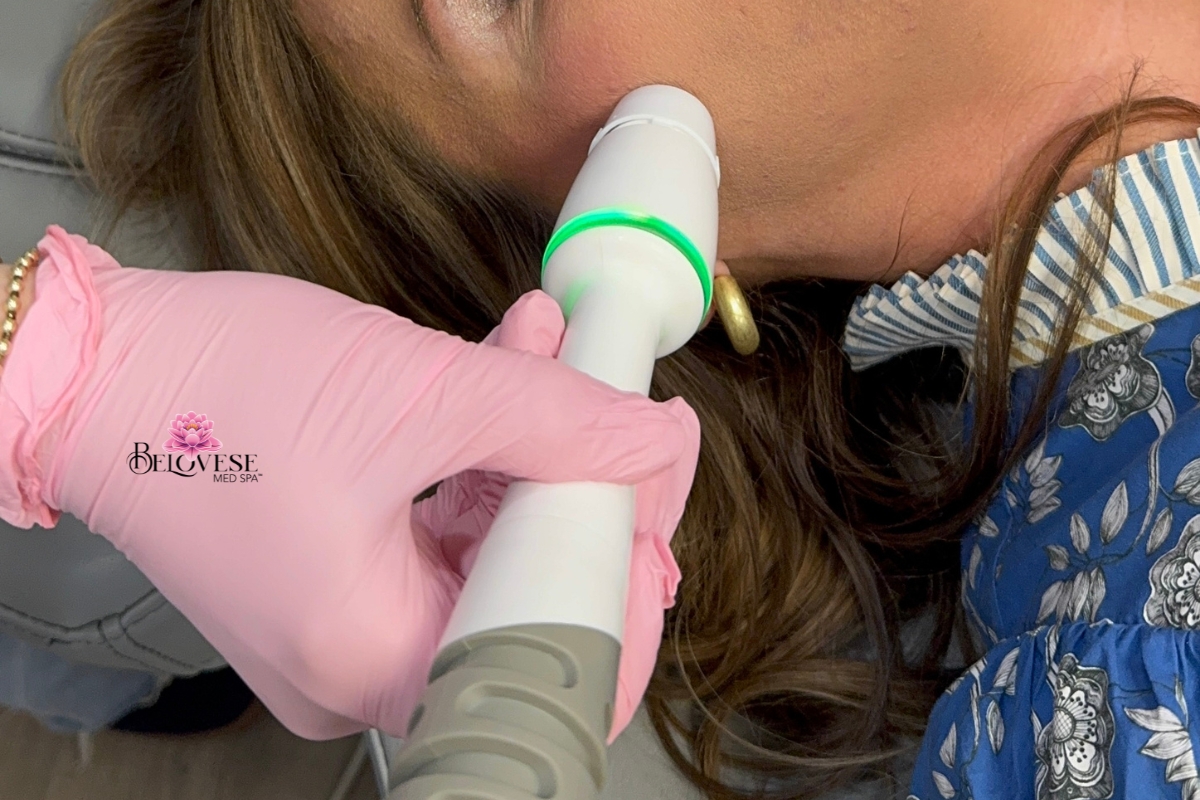
Hair Removal Treatment for Sensitive Skin What to Use and What to Avoid
Sensitive skin turns hair removal into a guessing game. One wrong product or technique causes redness, bumps, or irritation that lingers for days. Many people cycle through method after method without knowing what actually works for their skin type or what quietly makes it worse. Finding the right hair removal treatment for sensitive skin means understanding what to use and what to avoid before picking up any product or booking any appointment.
For residents across Tifton and South Georgia, professional guidance is closer than most people realize. Belovese Med Spa offers hair removal options built around skin health, comfort, and lasting results. Whether you struggle with facial hair, leg hair, or underarm irritation, getting the right approach from the start saves your skin from unnecessary setbacks.
Why Sensitive Skin Reacts Differently to Hair Removal
Sensitive skin has a weaker or hyperreactive skin barrier, which means it responds more intensely to physical and chemical disruption. Hair removal, regardless of method, puts direct stress on that barrier every single time.
Common reactions people with sensitive skin experience include:
Redness and inflammation immediately after treatment
Ingrown hairs caused by hair breaking beneath the skin surface
Folliculitis, an infection of the hair follicles that appears as small red bumps
Post-inflammatory hyperpigmentation, where irritated skin darkens after a reaction
Both the method you choose and where you receive treatment determine how well your skin holds up. Professional care with proper technique reduces these reactions significantly compared to handling removal at home.
Hair Removal Methods That Work for Sensitive Skin
Not every hair removal method suits reactive skin. A few options stand out for minimizing irritation while still delivering reliable results.
Professional Waxing
A trained esthetician selects the right wax formula based on your skin type and hair texture before starting any treatment. Premium waxes formulated for sensitive skin reduce barrier disruption, and soothing pre- and post-wax products support faster recovery.
Longer-lasting results also mean fewer sessions over time, which reduces cumulative stress on reactive skin. At Belovese Med Spa, every waxing appointment begins with a personalized skin and hair assessment before any product touches your skin.
Professional Laser Hair Removal
Laser hair removal targets the hair follicle directly, slowing and reducing regrowth over multiple sessions. Candidacy depends on skin tone, hair color, and sensitivity level, so a professional assessment before any treatment is necessary.
Scheduling a consultation first ensures the approach suits your skin safely. Belovese welcomes clients who want to weigh their options and find the right long-term solution for hair reduction.
Careful Shaving
Shaving works as a short-term option when done correctly. Use a fresh blade, warm water, and a fragrance-free shave gel, and always shave in the direction of hair growth to limit micro-tears on sensitive areas.
Results fade quickly and ingrown hairs remain a consistent risk for reactive skin types. Professional options provide longer-lasting outcomes with far less irritation between sessions.
What to Avoid if You Have Sensitive Skin
Certain hair removal methods trigger reactions that take longer to heal than the hair took to grow back. Avoid these three.
Depilatory Creams
Thioglycolate chemicals in hair removal creams dissolve the hair shaft and strip your protective skin barrier simultaneously.Sensitive Skin
Labeled Creams Fragrance-free or sensitive-labeled formulas still carry the same chemical base that causes burning and peeling on reactive skin.Allergic Reactions From
Creams Reactive skin can develop contact dermatitis from depilatory ingredients even during a first-time application without any prior warning.At-Home Waxing Kits
Inconsistent wax temperature from store-bought kits causes burns, uneven removal, and tearing on legs and sensitive body areas.Wrong Wax on Reactive Skin
Applying the wrong wax type without a proper skin assessment leads to bruising, ingrown hairs, and prolonged post-treatment redness.Dry or Unprepared Shaving
Shaving dry or with a dull blade creates micro-tears across your skin surface and triggers immediate razor burn.Repeated Barrier Damage From Shaving
Frequent shaving without proper prep gradually weakens your skin barrier, making underarm and leg skin more reactive over time.
Area-Specific Tips for Sensitive Skin Hair Removal
Different body areas carry different levels of sensitivity, and treating each one the same way leads to avoidable irritation.
Face
Facial skin reacts faster and heals slower than anywhere else on the body. Skip chemical methods entirely and opt for professional care instead. Belovese offers facial skin treatments suited for reactive skin around the brows and upper lip.Underarms
High friction, sweat, and constant movement make underarms one of the most irritation-prone areas after hair removal. Professional waxing reduces how often you need to treat the area, and consistent post-removal moisturizing keeps skin calm between visits.Legs
Covering a large surface area means DIY methods carry a much higher cumulative risk on legs. Reactive skin exposed to inconsistent at-home technique across both legs faces repeated barrier stress with every session.
Before and After Care That Protects Sensitive Skin
What you do before and after your appointment matters just as much as the treatment itself.
Before Your Appointment
Exfoliate at the Right Time
Exfoliate gently 24 to 48 hours before your appointment, never on the same day, to avoid over-sensitizing skin.Pause Your Active Skincare
Stop retinol, AHAs, and BHAs three to five days before your visit to protect your skin barrier fully.Avoid Sun and Tanning Beds
Skip sun exposure and UV tanning beds beforehand because pre-sensitized skin burns and reacts far more intensely during treatment.Arrive With Clean, Product-Free Skin
Come in with clean, dry skin and skip all lotions, oils, and serums on appointment day.
After Your Appointment
Skip Heat for 24 Hours
Avoid hot showers, saunas, and steam rooms for a full 24 hours since heat inflames freshly treated follicles significantly.Wear Loose Clothing Right After
Put on loose, breathable clothing immediately after your session to prevent fabric friction from irritating freshly treated skin areas.Apply a Soothing, Fragrance-Free
Product Calm your skin barrier with a gentle, fragrance-free formula. Belovese offers medical-grade skincare products ideal for post-wax recovery.Hold Off on Exfoliating
Wait a full 48 hours before exfoliating again so follicles close properly and your skin stabilizes after waxing.
Professional Waxing for Sensitive Skin in Tifton, GA
Belovese Med Spa serves clients across Tifton and South Georgia with a comfort-first approach built specifically around skin health. Shelby White, licensed esthetician, personalizes every session based on your skin type, hair texture, and sensitivity level before selecting any product or technique.
No two appointments follow the same template. For anyone still weighing options, a free consultation helps identify the most appropriate waxing service for your skin without any pressure or guesswork. Contact us to request your free consultation today.
FAQs
What Is the Best Hair Removal Method for Sensitive Skin?
Professional waxing offers the most reliable results for reactive skin. A trained esthetician matches the wax formula to your skin type and applies soothing aftercare products that reduce irritation from the start.Can People With Sensitive Skin Get Waxed Safely?
Waxing is safe for sensitive skin when performed by a licensed esthetician using the correct technique and wax formula. A quick skin assessment before the appointment eliminates most of the guesswork that causes reactions.How Should I Prepare My Skin Before a Waxing Appointment?
Stop active skincare ingredients three to five days before, exfoliate gently 24 to 48 hours prior, and arrive with clean dry skin. Skipping this preparation increases your risk of post-wax redness and irritation.Why Does My Skin React Badly After Hair Removal?
Reactive skin has a weaker barrier that responds intensely to disruption. Using the wrong method or skipping aftercare almost always triggers redness, ingrown hairs, or folliculitis in sensitive skin types.How Long Should I Wait Between Waxing Sessions for Sensitive Skin?
Four to six weeks between sessions gives your skin and hair follicles enough time to recover fully. Booking too soon increases barrier stress and makes each appointment more uncomfortable than necessary.
Contact Us

Hair Removal Treatment for Sensitive Skin What to Use and What to Avoid
Sensitive skin turns hair removal into a guessing game. One wrong product or technique causes redness, bumps, or irritation that lingers for days. Many people cycle through method after method without knowing what actually works for their skin type or what quietly makes it worse. Finding the right hair removal treatment for sensitive skin means understanding what to use and what to avoid before picking up any product or booking any appointment.
For residents across Tifton and South Georgia, professional guidance is closer than most people realize. Belovese Med Spa offers hair removal options built around skin health, comfort, and lasting results. Whether you struggle with facial hair, leg hair, or underarm irritation, getting the right approach from the start saves your skin from unnecessary setbacks.
Why Sensitive Skin Reacts Differently to Hair Removal
Sensitive skin has a weaker or hyperreactive skin barrier, which means it responds more intensely to physical and chemical disruption. Hair removal, regardless of method, puts direct stress on that barrier every single time.
Common reactions people with sensitive skin experience include:
Redness and inflammation immediately after treatment
Ingrown hairs caused by hair breaking beneath the skin surface
Folliculitis, an infection of the hair follicles that appears as small red bumps
Post-inflammatory hyperpigmentation, where irritated skin darkens after a reaction
Both the method you choose and where you receive treatment determine how well your skin holds up. Professional care with proper technique reduces these reactions significantly compared to handling removal at home.
Hair Removal Methods That Work for Sensitive Skin
Not every hair removal method suits reactive skin. A few options stand out for minimizing irritation while still delivering reliable results.
Professional Waxing
A trained esthetician selects the right wax formula based on your skin type and hair texture before starting any treatment. Premium waxes formulated for sensitive skin reduce barrier disruption, and soothing pre- and post-wax products support faster recovery.
Longer-lasting results also mean fewer sessions over time, which reduces cumulative stress on reactive skin. At Belovese Med Spa, every waxing appointment begins with a personalized skin and hair assessment before any product touches your skin.
Professional Laser Hair Removal
Laser hair removal targets the hair follicle directly, slowing and reducing regrowth over multiple sessions. Candidacy depends on skin tone, hair color, and sensitivity level, so a professional assessment before any treatment is necessary.
Scheduling a consultation first ensures the approach suits your skin safely. Belovese welcomes clients who want to weigh their options and find the right long-term solution for hair reduction.
Careful Shaving
Shaving works as a short-term option when done correctly. Use a fresh blade, warm water, and a fragrance-free shave gel, and always shave in the direction of hair growth to limit micro-tears on sensitive areas.
Results fade quickly and ingrown hairs remain a consistent risk for reactive skin types. Professional options provide longer-lasting outcomes with far less irritation between sessions.
What to Avoid if You Have Sensitive Skin
Certain hair removal methods trigger reactions that take longer to heal than the hair took to grow back. Avoid these three.
Depilatory Creams
Thioglycolate chemicals in hair removal creams dissolve the hair shaft and strip your protective skin barrier simultaneously.Sensitive Skin
Labeled Creams Fragrance-free or sensitive-labeled formulas still carry the same chemical base that causes burning and peeling on reactive skin.Allergic Reactions From
Creams Reactive skin can develop contact dermatitis from depilatory ingredients even during a first-time application without any prior warning.At-Home Waxing Kits
Inconsistent wax temperature from store-bought kits causes burns, uneven removal, and tearing on legs and sensitive body areas.Wrong Wax on Reactive Skin
Applying the wrong wax type without a proper skin assessment leads to bruising, ingrown hairs, and prolonged post-treatment redness.Dry or Unprepared Shaving
Shaving dry or with a dull blade creates micro-tears across your skin surface and triggers immediate razor burn.Repeated Barrier Damage From Shaving
Frequent shaving without proper prep gradually weakens your skin barrier, making underarm and leg skin more reactive over time.
Area-Specific Tips for Sensitive Skin Hair Removal
Different body areas carry different levels of sensitivity, and treating each one the same way leads to avoidable irritation.
Face
Facial skin reacts faster and heals slower than anywhere else on the body. Skip chemical methods entirely and opt for professional care instead. Belovese offers facial skin treatments suited for reactive skin around the brows and upper lip.Underarms
High friction, sweat, and constant movement make underarms one of the most irritation-prone areas after hair removal. Professional waxing reduces how often you need to treat the area, and consistent post-removal moisturizing keeps skin calm between visits.Legs
Covering a large surface area means DIY methods carry a much higher cumulative risk on legs. Reactive skin exposed to inconsistent at-home technique across both legs faces repeated barrier stress with every session.
Before and After Care That Protects Sensitive Skin
What you do before and after your appointment matters just as much as the treatment itself.
Before Your Appointment
Exfoliate at the Right Time
Exfoliate gently 24 to 48 hours before your appointment, never on the same day, to avoid over-sensitizing skin.Pause Your Active Skincare
Stop retinol, AHAs, and BHAs three to five days before your visit to protect your skin barrier fully.Avoid Sun and Tanning Beds
Skip sun exposure and UV tanning beds beforehand because pre-sensitized skin burns and reacts far more intensely during treatment.Arrive With Clean, Product-Free Skin
Come in with clean, dry skin and skip all lotions, oils, and serums on appointment day.
After Your Appointment
Skip Heat for 24 Hours
Avoid hot showers, saunas, and steam rooms for a full 24 hours since heat inflames freshly treated follicles significantly.Wear Loose Clothing Right After
Put on loose, breathable clothing immediately after your session to prevent fabric friction from irritating freshly treated skin areas.Apply a Soothing, Fragrance-Free
Product Calm your skin barrier with a gentle, fragrance-free formula. Belovese offers medical-grade skincare products ideal for post-wax recovery.Hold Off on Exfoliating
Wait a full 48 hours before exfoliating again so follicles close properly and your skin stabilizes after waxing.
Professional Waxing for Sensitive Skin in Tifton, GA
Belovese Med Spa serves clients across Tifton and South Georgia with a comfort-first approach built specifically around skin health. Shelby White, licensed esthetician, personalizes every session based on your skin type, hair texture, and sensitivity level before selecting any product or technique.
No two appointments follow the same template. For anyone still weighing options, a free consultation helps identify the most appropriate waxing service for your skin without any pressure or guesswork. Contact us to request your free consultation today.
FAQs
What Is the Best Hair Removal Method for Sensitive Skin?
Professional waxing offers the most reliable results for reactive skin. A trained esthetician matches the wax formula to your skin type and applies soothing aftercare products that reduce irritation from the start.Can People With Sensitive Skin Get Waxed Safely?
Waxing is safe for sensitive skin when performed by a licensed esthetician using the correct technique and wax formula. A quick skin assessment before the appointment eliminates most of the guesswork that causes reactions.How Should I Prepare My Skin Before a Waxing Appointment?
Stop active skincare ingredients three to five days before, exfoliate gently 24 to 48 hours prior, and arrive with clean dry skin. Skipping this preparation increases your risk of post-wax redness and irritation.Why Does My Skin React Badly After Hair Removal?
Reactive skin has a weaker barrier that responds intensely to disruption. Using the wrong method or skipping aftercare almost always triggers redness, ingrown hairs, or folliculitis in sensitive skin types.How Long Should I Wait Between Waxing Sessions for Sensitive Skin?
Four to six weeks between sessions gives your skin and hair follicles enough time to recover fully. Booking too soon increases barrier stress and makes each appointment more uncomfortable than necessary.
Contact Us


COMPANY
SERVICES
ADDRESS
Copyright 2026. Belovese Med Spa. All Rights Reserved.
Made with ❤️by The Revive Agency.