

Are Professional Skincare Products Worth the Investment? Here’s What You Should Know

Skincare routines keep evolving as consumers seek results that last beyond quick fixes. Interest in professional skincare products and luxury skincare products continues to grow as more people learn about ingredient quality and formulation standards that influence visible outcomes.
Higher price tags still raise valid concerns about skincare cost vs value. Many shoppers pause before spending more and wonder whether professional skincare products truly outperform drugstore options or rely on brand perception rather than performance.
Content in this article explores one clear question: are professional skincare products worth the investment. Coverage focuses on facts comparisons and practical insight so readers can make informed choices without pressure. Readers can expect a balanced evidence based discussion that clarifies value rather than promotes a purchase.
What Are Professional Skincare Products?
Professional skincare products focus on targeted skin improvement through research driven development and controlled formulation standards.
Medical grade skincare fits within this category and prioritizes function safety and measurable outcomes over mass appeal. Product design centers on long term skin support rather than short lived cosmetic changes.
How Professional Skincare Differs From Drugstore Products
Access to dermatologist recommended skincare usually occurs through clinics licensed professionals or curated brand platforms such as Belovese. Restricted availability supports correct product selection and proper usage guidance.
Mass retail skincare targets broad audiences which often limits formulation strength and customization. Professional options instead address specific concerns like uneven tone barrier damage or early aging with greater precision.
The Role of Clinical Formulations and Active Ingredients
Clinical skincare formulations rely on ingredient stability concentration and delivery systems that support deeper absorption. Research teams test formulas under controlled conditions to confirm performance and safety.
Many consumers assume medical grade skincare exists only as a marketing phrase. Science backed development clinical oversight and ingredient integrity define authentic professional products. Focus stays on evidence driven results rather than trends or viral influence.
Professional vs Drugstore Skincare: Key Differences
Professional vs drugstore skincare often looks similar on the surface yet performance varies once formulas reach the skin. Differences come down to how brands design product test results and support long term improvement rather than surface level effects.
Ingredient quality and potency
Professional formulations focus on refined sourcing and precise concentration of active ingredients in skincare. Drugstore options often reduce strength to suit mass use which limits skincare product efficacy. Higher potency supports targeted concerns without relying on fragrance or fillers.Absorption and delivery systems
Advanced delivery technology helps actives reach deeper skin layers where change occurs. Drugstore products usually sit on the surface due to simpler formulation methods. Improved penetration explains many high end skincare benefits linked to professional ranges.Testing and clinical backing
Clinical evaluation supports performance claims within professional vs drugstore skincare comparisons. Professional brands invest in research trials, stability testing and ingredient synergy. Retail brands rely more on consumer trends and visual appeal.Regulation and performance expectations
Stricter oversight influences how professional products define results. Pricing reflects formulation research and testing depth rather than brand image alone. Value connects to development quality not packaging or marketing promises.
Benefits of Investing in Professional Skincare
Professional skincare appeals to people who want steady improvement rather than temporary surface changes. Focus stays on supporting skin function, improving balance and protecting against future damage. Results develop through consistent use guided by science rather than trends.
Common Skin & Wellness Goals Med Spa Clients Have
Long term skin health improves when expectations match commitment and professional guidance remains consistent.
How to Evaluate If a Med Spa Aligns With Your Skin & Wellness
Visible improvement with purpose
Professional skincare results focus on texture clarity and tone through targeted action instead of short term cosmetic shine.
Support for long term skin health
Formulas aim to strengthen barrier function and resilience which helps skin age better over time.
Clinically supported performance
Clinical skincare benefits come from tested formulations designed to work beneath the surface rather than sit on top.
Better routine effectiveness
Ingredient synergy improves how products work together which reduces irritation and wasted effort.
Guidance that improves outcomes
Dermatologist recommended skincare often includes usage direction that helps users avoid common mistakes and misuse.
Consistency matters more than speed. Professional routines reward patience with stable improvement and fewer setbacks. Education and guidance keep expectations realistic while supporting results grounded in research rather than hype.
Is Professional Skincare Worth the Cost?
Cost remains one of the biggest concerns when considering a professional skincare investment. Many shoppers pause when comparing luxury skincare products with lower priced alternatives. Evaluation becomes easier once skincare cost vs value replaces sticker shock as the main focus.
How does the consultation process work
Clear explanations during an initial visit show how much emphasis a clinic places on understanding skin concerns before suggesting care.
Are treatment plans customized or standardized
Personalized skin care plans indicate thoughtful evaluation rather than routine recommendations.
How are expectations communicated
Education around timelines, maintenance, and possible outcomes helps avoid confusion and frustration later.
What level of guidance is provided over time
Ongoing communication supports consistency and informed decision making.
Signs of a Trustworthy, Wellness Focused Med Spa
Formulation and research investment
Professional skincare costs more because brands invest in research testing and ingredient quality. Development focuses on stability, safety and performance rather than mass production speed.
Usage efficiency over time
Higher concentration formulas often require smaller amounts per use. Products last longer which balances the upfront expense and improves long term value.
Return through results and safety
Fewer products deliver clearer outcomes which reduces trial and error spending. Controlled formulations also lower the risk of irritation or misuse.
Ideal users for professional care
People managing specific concerns or seeking prevention gain the most benefit. Casual skincare users may not need advanced solutions.
Perspective matters when asking is professional skincare worth the cost. Value comes from results consistency and informed use rather than price alone.
Common Mistakes When Buying High End Skincare
Many shoppers reduce skincare efficacy by making avoidable decisions when exploring premium options. Awareness and education protect both skin health and investment value.
Buying without understanding skin needs
High end skincare mistakes often start with purchasing multiple products without clear goals. Lack of skin assessment leads to unused items and poor results.
Expecting instant transformation
Professional skincare products support gradual improvement. Unrealistic timelines cause
frustration and early abandonment of effective routines.
Combining incompatible active ingredients
Skincare routine mistakes include layering strong activities that counteract each other. Incorrect pairing increases irritation and reduces performance.
Skipping guidance and patch testing
Professional advice helps prevent misuse and adverse reactions. Patch testing protects skin while confirming tolerance.
Education remains the most effective way to maximize value. Informed use supports consistent results and helps premium formulas deliver meaningful improvement.
Making Smarter Skincare Investment Decisions
Professional skincare investment decisions work best when guided by understanding rather than trends. Knowledge around formulation quality usage consistency and realistic expectations helps consumers choose products that support long term skin health. Not every routine requires advanced formulas and not every skin type benefits from premium care. Personal needs, goals and lifestyle should guide each choice.
Informed skincare decisions come from research patience and awareness of what skin truly needs. Education reduces wasted spending and improves results over time. Confidence grows when routines align with evidence and proper guidance rather than impulse.
Focus on skin goals instead of hype
Prioritize long term skin health over quick fixes
Choose quality supported by education
Explore curated professional options and educational resources at Belovese to build a routine rooted in clarity, confidence and care. Contact us to receive personalized guidance and take the next step toward informed skincare choices.
FAQs
Are professional skincare products suitable for all skin types?
Professional formulas work for many skin types when chosen correctly. Skin condition concerns sensitivity and routine consistency determines suitability. Guidance from trained professionals helps match products to individual needs.
Do professional skincare products work faster than drugstore options?
Results depend on formulation strength and routine adherence. Higher quality actives and better delivery systems often support more noticeable improvement over time rather than overnight change.
Can beginners use professional skincare without expert help?
Beginners can start safely with proper education and simple routines. Curated platforms and clear usage instructions reduce risk and improve outcomes when professional guidance feels unavailable.
Are luxury skincare products always better than affordable ones?
Price alone does not define performance. Research formulation quality and ingredient function matter more than branding. Some affordable products perform well while some premium ones target specific concerns.
How long does it take to see results from professional skincare?
Visible changes usually appear after consistent use over several weeks. Skin renewal cycles influence timing so patience and routine stability play a key role in success.
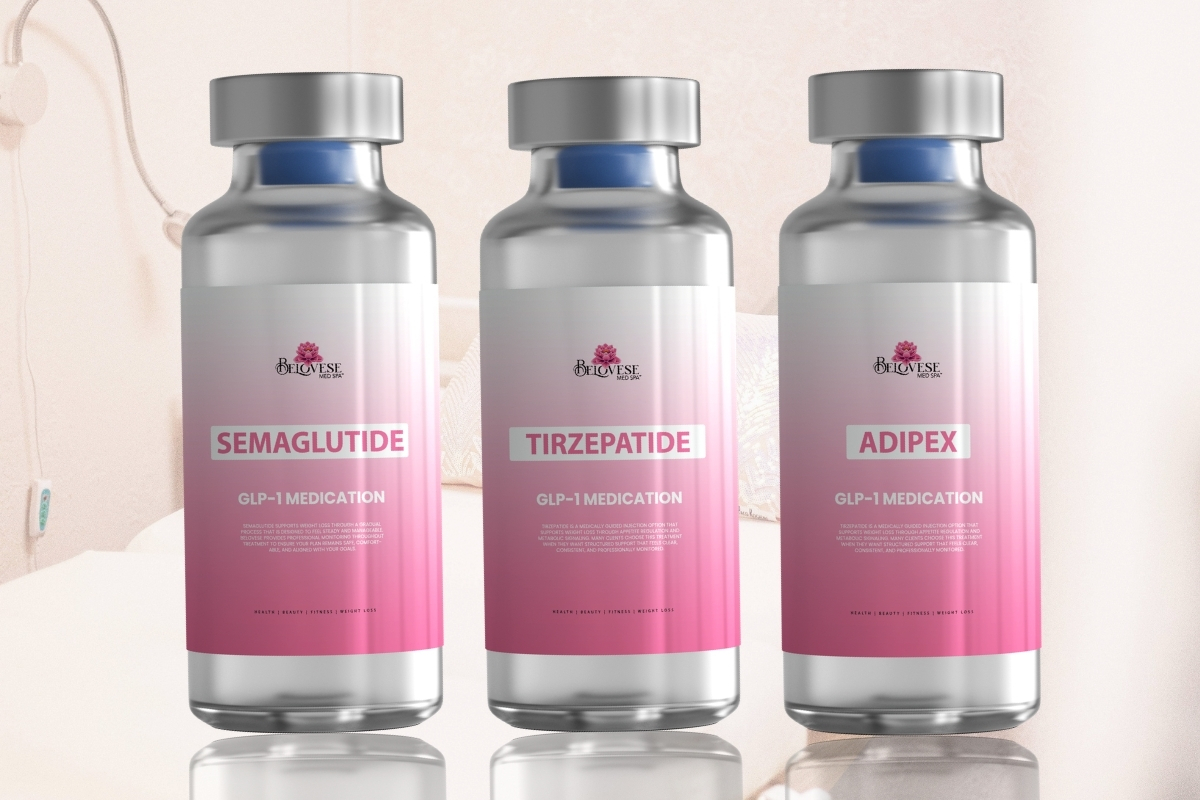
What Are GLP-1 Injections? Why Tifton GA Is Talking in 2026
Conversations about GLP-1 injections are popping up everywhere in Tifton right now. People are asking their doctors about them, bringing them up at the gym, and searching for answers after seeing the topic spread across social media. For a medication class that once felt like a conversation reserved for larger cities, GLP-1 injections in Tifton GA have quickly become something South Georgia residents want to understand on their own terms.
Sherri Crosby, APRN FNP, owner and lead clinician at Belovese Med Spa, hears these questions from patients every week. Rather than leaving residents to sort through what circulates online, here are clear, honest answers from a clinician who works with real people right here in your community.
What Exactly Are GLP-1 Injections?
Before weighing any treatment option, it helps to understand what you are actually considering. GLP-1 injections have generated significant attention nationally, but clear, straightforward information about how they work and what medications fall under that category is harder to find than it should be.
The Science in Plain English
GLP-1 stands for glucagon-like peptide-1, a hormone your small intestine produces naturally after eating. Researchers originally developed medications that mimic GLP-1 to help manage type 2 diabetes. During clinical trials, patients lost significant amounts of weight, which expanded how clinicians began using these medications. Weight loss injections in this category are administered subcutaneously once a week, typically in the belly, thighs, arms, or upper buttocks. Most patients find the process routine after the first few sessions.
The Medications You've Probably Heard Of
Two medications lead most conversations right now. Semaglutide, known as Ozempic for diabetes and Wegovy for weight management, activates a single GLP-1 receptor. Tirzepatide, sold as Mounjaro for diabetes and Zepbound for weight loss, activates two receptors simultaneously, GLP-1 and GIP, giving it a broader effect on appetite and blood sugar regulation. Sherri Crosby, APRN FNP, reviews each patient's full health picture before recommending which option makes clinical sense for them.
How Do GLP-1 Injections Actually Work Inside Your Body?
Understanding the mechanism matters because it explains why so many patients see results after years of struggling with traditional approaches. GLP-1 medications work at a biological level, not a willpower level. Three things happen simultaneously once the medication enters your system, and each one plays a direct role in how your body responds to food.
Three Things Happening at Once
First, your brain receives stronger satiety signals faster than it normally would, which means you feel full sooner and stay full longer. Second, insulin releases in direct response to glucose in your bloodstream, while glucagon, the hormone responsible for raising blood sugar, gets suppressed. Third, gastric emptying slows down, so food moves through your stomach more gradually. Think of it as turning down your body's hunger volume dial without relying on restriction alone.
Why This Is Different From Dieting Alone
Most conventional diets ask your body to override hunger signals through discipline. GLP-1 medications in 2026 address what drives those hunger signals in the first place. Patients who struggled for years with calorie counting or rigid meal plans often report that appetite simply becomes easier to manage. Beyond weight, clinical data shows improvements in blood pressure, cholesterol levels, and cardiovascular risk markers. Weight loss becomes a byproduct of a body that is functioning with better metabolic balance, not just eating less.
Who Actually Qualifies for GLP-1 Injections in 2026?
Not everyone who wants to lose weight qualifies for this treatment, and that distinction matters. FDA approval exists for a specific patient profile, and understanding where you fall helps you have a more informed conversation with your provider before booking anything.
FDA Eligibility Guidelines
FDA approval covers two groups. Adults with a BMI of 30 or higher qualify directly. Adults with a BMI of 27 or higher also qualify if a weight-related condition is present, such as high blood pressure, high cholesterol, or type 2 diabetes. Candidacy also depends on a full review of your current medications, health history, previous weight loss attempts, and family history. Someone looking to lose 10 to 15 pounds for cosmetic reasons falls outside the intended patient profile entirely.
Why Getting Evaluated Locally Matters
Many online platforms now offer quick prescriptions for weight loss injections near me searches, but speed is not the same as safety. Platforms that skip a full medical history review create gaps in care that can reduce effectiveness or introduce risk. Sherri Crosby, APRN FNP at Belovese Med Spa conducts a thorough clinical evaluation before any treatment plan moves forward. Tifton residents searching for GLP-1 injections in Tifton GA no longer need to drive to Valdosta or Albany for that level of oversight. Qualified, personalized care is available right here locally.
What Kind of Results Are Tifton Residents Actually Seeing?
Results depend on the medication prescribed, dosage, lifestyle habits, and how each person's body responds. Clinical trial data gives a reliable starting point for setting realistic expectations before beginning treatment.
Semaglutide weight loss outcomes in Georgia averaged around 12% total body weight reduction in placebo-controlled studies. Tirzepatide averaged closer to 18% across comparable trials, with a higher percentage of patients hitting significant reduction milestones.
Here is what the data consistently shows:
Appetite Changes Come First
Most patients notice reduced hunger within the first two to three weeks, well before significant weight changes appear on the scale.Meaningful Weight Loss Builds Over Time
Patients typically see noticeable body weight changes between weeks 8 and 12, not immediately after starting treatment.Tirzepatide Produces Stronger Reduction Milestones
Patients on tirzepatide showed higher rates of reaching 15%, 20%, and even 25% total body weight reduction in trials.Lifestyle Support Directly Impacts Your Final Outcome
Patients who pair treatment with consistent movement and nutritional guidance outperform those relying on medication alone.
Sherri Crosby, APRN FNP reviews progress at every stage and adjusts dosing based on how each patient responds. That ongoing clinical relationship consistently produces better long-term outcomes than a one-time prescription ever could.
Why Tifton GA Residents Are Talking About GLP-1s Right Now
Something shifted in 2026. Long-term research on GLP-1 medications finally crossed the multi-year mark, giving both clinicians and patients a much clearer picture of sustained outcomes. Earlier studies showed promising short-term results. Now, data covering multiple years confirms those results hold, which changed how confidently providers recommend these treatments.
Georgia's state health plan began actively educating members about GLP-1 medications this year, a signal that mainstream clinical acceptance has moved well beyond specialty practices and into everyday healthcare conversations statewide. When a state-level health program starts publishing guidance on a treatment category, residents pay attention.
Cost accessibility also improved noticeably heading into 2025 and 2026. Residents who previously felt priced out of treatment now have more options worth evaluating with a qualified provider.
Word spreads quickly in a community like Tifton. When someone a neighbor knows loses 20 pounds and mentions what changed, people start asking questions. GLP-1 injections in Tifton GA are no longer a topic residents hear about only on national news. Belovese Med Spa sits at the center of that local conversation, with the clinical expertise to give residents accurate answers and a clear path forward.
Ready to Find Out If GLP-1 Injections Are Right for You?
Making a health decision like this requires a provider who takes the time to understand your full picture, not just your weight. Sherri Crosby, APRN FNP brings that level of clinical attention to every patient at Belovese Med Spa, from the initial evaluation through every follow-up along the way.
Book your free consultation online at Belovese Med Spa or call (229) 264-5352 to speak directly with the team. Qualified, locally supervised care is available right here in Tifton, and your first step is simply starting the conversation.
FAQs
How long does it take to see results from GLP-1 treatment?
Most patients notice appetite changes within the first two to three weeks of starting treatment. Meaningful weight loss typically becomes visible between weeks 8 and 12. Results build gradually and depend on dosage, lifestyle habits, and how consistently a patient follows the plan outlined by their provider.Do GLP-1 medications only work for people with diabetes?
FDA-approved weight loss formulations like Wegovy and Zepbound are specifically approved for patients without diabetes who meet BMI eligibility criteria. Qualifying patients carry a BMI of 30 or higher, or a BMI of 27 or higher alongside a weight-related health condition such as high blood pressure or high cholesterol.Is tirzepatide more effective than semaglutide for weight loss?
Clinical trials show tirzepatide produces greater average weight loss than semaglutide, with more patients reaching 15%, 20%, and 25% body weight reduction milestones. Choosing between them depends on your individual health profile, not just which one performed better in a study.Are there risks to getting a prescription through an online platform?
Many direct-to-consumer platforms skip a full medical history review, which creates gaps that can reduce effectiveness or introduce safety concerns. Working with a licensed clinician who knows your complete health picture significantly reduces those risks.Where can someone in Tifton GA get started with this treatment?
Belovese Med Spa at 209 W 12th St, Tifton GA offers clinically supervised weight loss treatment under Sherri Crosby, APRN FNP. Residents can book a free consultation or call (229) 264-5352 to get started.

COMPANY
SERVICES
ADDRESS


COMPANY
SERVICES
ADDRESS
Copyright 2026. Belovese Med Spa. All Rights Reserved.
Made with ❤️by The Revive Agency.