

Are Professional Skincare Products Worth the Investment? Here’s What You Should Know
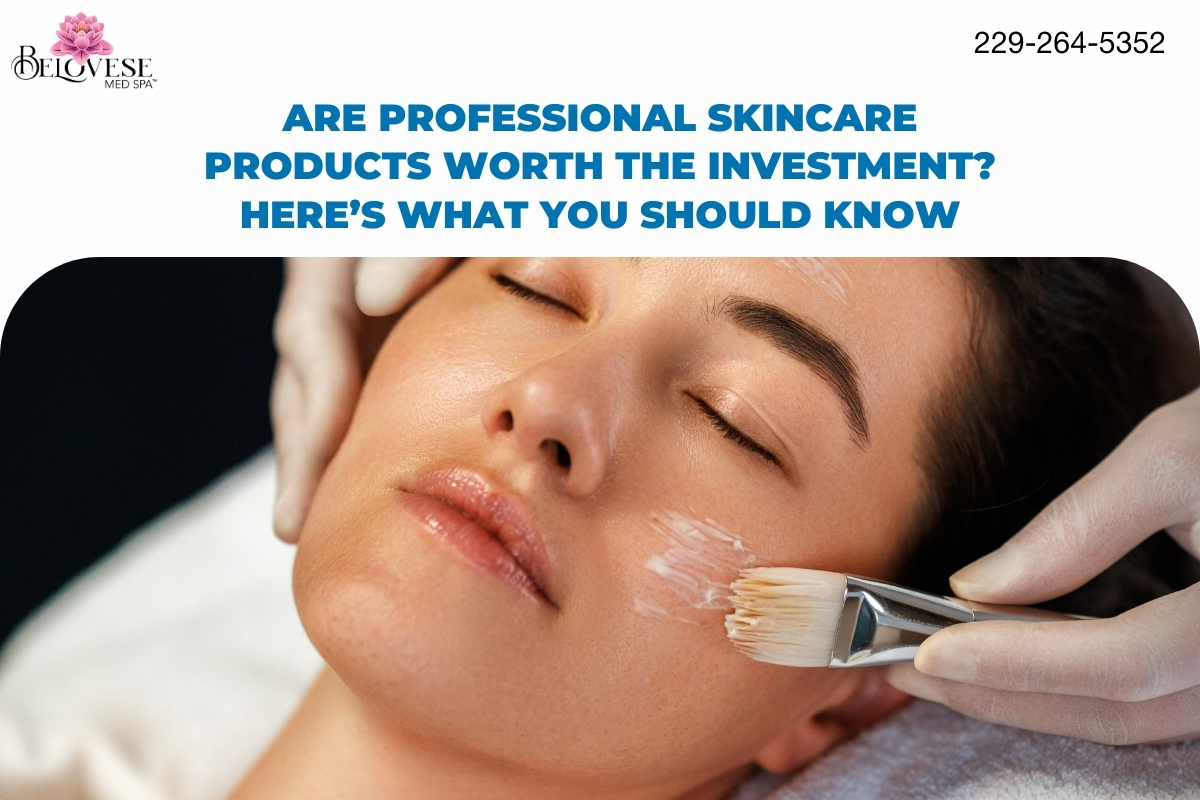
Skincare routines keep evolving as consumers seek results that last beyond quick fixes. Interest in professional skincare products and luxury skincare products continues to grow as more people learn about ingredient quality and formulation standards that influence visible outcomes.
Higher price tags still raise valid concerns about skincare cost vs value. Many shoppers pause before spending more and wonder whether professional skincare products truly outperform drugstore options or rely on brand perception rather than performance.
Content in this article explores one clear question: are professional skincare products worth the investment. Coverage focuses on facts comparisons and practical insight so readers can make informed choices without pressure. Readers can expect a balanced evidence based discussion that clarifies value rather than promotes a purchase.
What Are Professional Skincare Products?
Professional skincare products focus on targeted skin improvement through research driven development and controlled formulation standards.
Medical grade skincare fits within this category and prioritizes function safety and measurable outcomes over mass appeal. Product design centers on long term skin support rather than short lived cosmetic changes.
How Professional Skincare Differs From Drugstore Products
Access to dermatologist recommended skincare usually occurs through clinics licensed professionals or curated brand platforms such as Belovese. Restricted availability supports correct product selection and proper usage guidance.
Mass retail skincare targets broad audiences which often limits formulation strength and customization. Professional options instead address specific concerns like uneven tone barrier damage or early aging with greater precision.
The Role of Clinical Formulations and Active Ingredients
Clinical skincare formulations rely on ingredient stability concentration and delivery systems that support deeper absorption. Research teams test formulas under controlled conditions to confirm performance and safety.
Many consumers assume medical grade skincare exists only as a marketing phrase. Science backed development clinical oversight and ingredient integrity define authentic professional products. Focus stays on evidence driven results rather than trends or viral influence.
Professional vs Drugstore Skincare: Key Differences
Professional vs drugstore skincare often looks similar on the surface yet performance varies once formulas reach the skin. Differences come down to how brands design product test results and support long term improvement rather than surface level effects.
Ingredient quality and potency
Professional formulations focus on refined sourcing and precise concentration of active ingredients in skincare. Drugstore options often reduce strength to suit mass use which limits skincare product efficacy. Higher potency supports targeted concerns without relying on fragrance or fillers.Absorption and delivery systems
Advanced delivery technology helps actives reach deeper skin layers where change occurs. Drugstore products usually sit on the surface due to simpler formulation methods. Improved penetration explains many high end skincare benefits linked to professional ranges.Testing and clinical backing
Clinical evaluation supports performance claims within professional vs drugstore skincare comparisons. Professional brands invest in research trials, stability testing and ingredient synergy. Retail brands rely more on consumer trends and visual appeal.Regulation and performance expectations
Stricter oversight influences how professional products define results. Pricing reflects formulation research and testing depth rather than brand image alone. Value connects to development quality not packaging or marketing promises.
Benefits of Investing in Professional Skincare
Professional skincare appeals to people who want steady improvement rather than temporary surface changes. Focus stays on supporting skin function, improving balance and protecting against future damage. Results develop through consistent use guided by science rather than trends.
Common Skin & Wellness Goals Med Spa Clients Have
Long term skin health improves when expectations match commitment and professional guidance remains consistent.
How to Evaluate If a Med Spa Aligns With Your Skin & Wellness
Visible improvement with purpose
Professional skincare results focus on texture clarity and tone through targeted action instead of short term cosmetic shine.
Support for long term skin health
Formulas aim to strengthen barrier function and resilience which helps skin age better over time.
Clinically supported performance
Clinical skincare benefits come from tested formulations designed to work beneath the surface rather than sit on top.
Better routine effectiveness
Ingredient synergy improves how products work together which reduces irritation and wasted effort.
Guidance that improves outcomes
Dermatologist recommended skincare often includes usage direction that helps users avoid common mistakes and misuse.
Consistency matters more than speed. Professional routines reward patience with stable improvement and fewer setbacks. Education and guidance keep expectations realistic while supporting results grounded in research rather than hype.
Is Professional Skincare Worth the Cost?
Cost remains one of the biggest concerns when considering a professional skincare investment. Many shoppers pause when comparing luxury skincare products with lower priced alternatives. Evaluation becomes easier once skincare cost vs value replaces sticker shock as the main focus.
How does the consultation process work
Clear explanations during an initial visit show how much emphasis a clinic places on understanding skin concerns before suggesting care.
Are treatment plans customized or standardized
Personalized skin care plans indicate thoughtful evaluation rather than routine recommendations.
How are expectations communicated
Education around timelines, maintenance, and possible outcomes helps avoid confusion and frustration later.
What level of guidance is provided over time
Ongoing communication supports consistency and informed decision making.
Signs of a Trustworthy, Wellness Focused Med Spa
Formulation and research investment
Professional skincare costs more because brands invest in research testing and ingredient quality. Development focuses on stability, safety and performance rather than mass production speed.
Usage efficiency over time
Higher concentration formulas often require smaller amounts per use. Products last longer which balances the upfront expense and improves long term value.
Return through results and safety
Fewer products deliver clearer outcomes which reduces trial and error spending. Controlled formulations also lower the risk of irritation or misuse.
Ideal users for professional care
People managing specific concerns or seeking prevention gain the most benefit. Casual skincare users may not need advanced solutions.
Perspective matters when asking is professional skincare worth the cost. Value comes from results consistency and informed use rather than price alone.
Common Mistakes When Buying High End Skincare
Many shoppers reduce skincare efficacy by making avoidable decisions when exploring premium options. Awareness and education protect both skin health and investment value.
Buying without understanding skin needs
High end skincare mistakes often start with purchasing multiple products without clear goals. Lack of skin assessment leads to unused items and poor results.
Expecting instant transformation
Professional skincare products support gradual improvement. Unrealistic timelines cause
frustration and early abandonment of effective routines.
Combining incompatible active ingredients
Skincare routine mistakes include layering strong activities that counteract each other. Incorrect pairing increases irritation and reduces performance.
Skipping guidance and patch testing
Professional advice helps prevent misuse and adverse reactions. Patch testing protects skin while confirming tolerance.
Education remains the most effective way to maximize value. Informed use supports consistent results and helps premium formulas deliver meaningful improvement.
Making Smarter Skincare Investment Decisions
Professional skincare investment decisions work best when guided by understanding rather than trends. Knowledge around formulation quality usage consistency and realistic expectations helps consumers choose products that support long term skin health. Not every routine requires advanced formulas and not every skin type benefits from premium care. Personal needs, goals and lifestyle should guide each choice.
Informed skincare decisions come from research patience and awareness of what skin truly needs. Education reduces wasted spending and improves results over time. Confidence grows when routines align with evidence and proper guidance rather than impulse.
Focus on skin goals instead of hype
Prioritize long term skin health over quick fixes
Choose quality supported by education
Explore curated professional options and educational resources at Belovese to build a routine rooted in clarity, confidence and care. Contact us to receive personalized guidance and take the next step toward informed skincare choices.
FAQs
Are professional skincare products suitable for all skin types?
Professional formulas work for many skin types when chosen correctly. Skin condition concerns sensitivity and routine consistency determines suitability. Guidance from trained professionals helps match products to individual needs.
Do professional skincare products work faster than drugstore options?
Results depend on formulation strength and routine adherence. Higher quality actives and better delivery systems often support more noticeable improvement over time rather than overnight change.
Can beginners use professional skincare without expert help?
Beginners can start safely with proper education and simple routines. Curated platforms and clear usage instructions reduce risk and improve outcomes when professional guidance feels unavailable.
Are luxury skincare products always better than affordable ones?
Price alone does not define performance. Research formulation quality and ingredient function matter more than branding. Some affordable products perform well while some premium ones target specific concerns.
How long does it take to see results from professional skincare?
Visible changes usually appear after consistent use over several weeks. Skin renewal cycles influence timing so patience and routine stability play a key role in success.
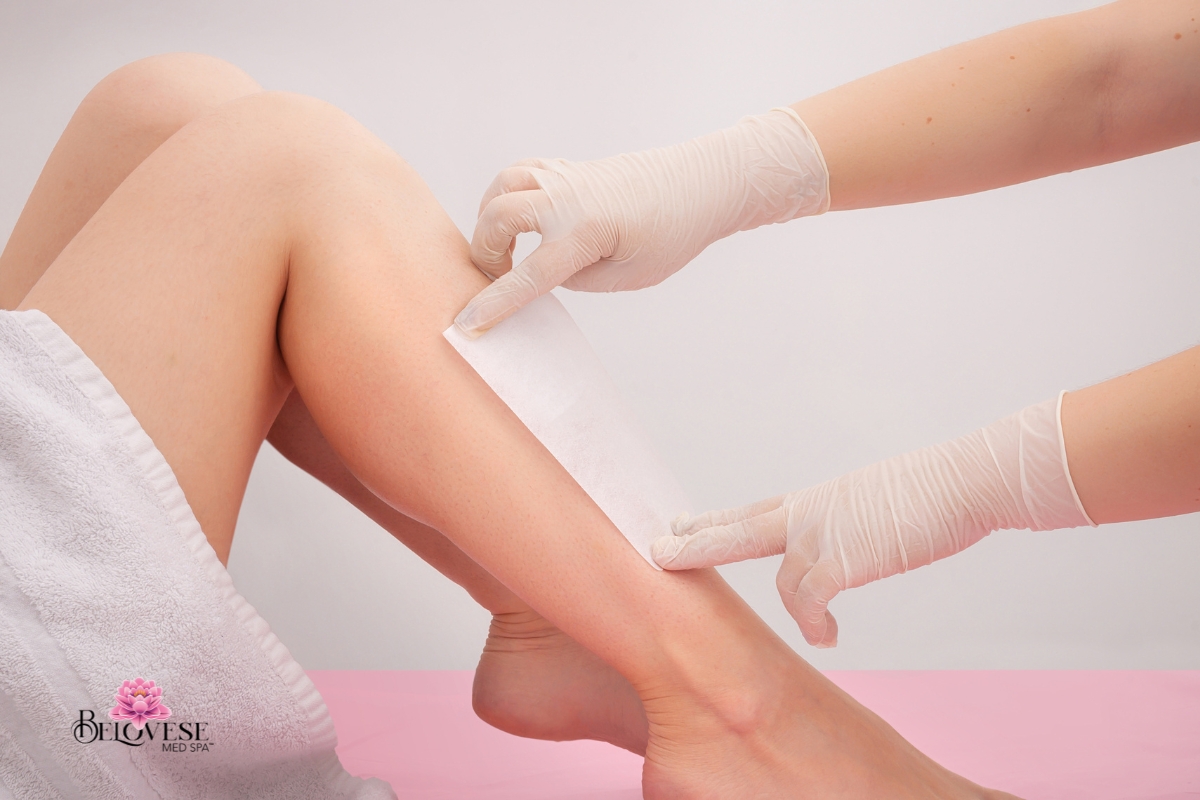
Waxing Aftercare Tips: Avoid Irritation & Ingrown Hairs
Smooth skin after a wax appointment feels great, but without proper waxing aftercare, irritation and ingrown hairs can follow. Post wax reactions are entirely preventable. Most happen because of what clients do or skip in the hours right after their appointment.
At Belovese Med Spa, our licensed estheticians walk every client through post waxing care before they leave. From the right products to the right timing, proper aftercare keeps skin calm, clear, and smooth. If you want results that last, caring for your skin after professional waxing services matters just as much as the appointment itself.
Immediate Aftercare Steps to Take Within 24 Hours of Waxing
Waxed skin stays sensitive for up to 24 hours after an appointment. Knowing the right after wax tips and skin care steps during this window prevents most irritation from developing.
Soothe skin immediately with an unscented, calming product: Aloe vera gel or witch hazel applied right after your appointment reduces surface redness and inflammation without blocking freshly opened follicles. Browse gentle skincare products formulated for use after waxing to keep your routine effective.
Keep all heat sources away from waxed skin for a full 24 hours: Hot showers, saunas, steam rooms, and direct sun exposure all intensify inflammation in follicles that need time to close and settle properly.
Wear loose, breathable cotton over every waxed area: Synthetic fabrics and tight waistbands create friction and trap heat against skin that requires airflow and space to recover without irritation.
Skip exercise for at least 24 hours after waxing: Sweat carries bacteria directly into open follicles, raising the risk of bumps and breakouts across freshly treated skin areas.
Avoid fragranced lotions, perfumes, and deodorants containing aluminum compounds: Synthetic fragrance and aluminum salts both irritate open follicles and rank among the most common causes of rashes and reactions after waxing.
Day 2 to Day 5: How to Support Skin Recovery After Waxing
Days two through five represent the most important window to prevent ingrown hairs and keep skin recovering on track.
Start gentle exfoliation at the 48 to 72 hour mark, not before: Exfoliating too early on raw follicles causes friction and irritation rather than preventing ingrown hairs from forming beneath the surface.
Exfoliate two to three times per week using a low-percentage chemical or gentle physical exfoliant: Consistent but moderate exfoliation clears dead skin buildup around follicles, which directly reduces the chance of hairs curling back into skin after wax care.
Apply a lightweight, fragrance-free moisturizer every morning and evening: Hydrated skin maintains a stronger barrier, recovers faster, and stays less prone to dryness-related irritation during the days following your appointment.
Watch for late bumps after waxing that go beyond normal redness: Standard post-wax redness clears within 24 to 48 hours. Clusters of small red or white pustules that spread or linger past day two signal folliculitis after waxing, a bacterial inflammation of the follicle. Contact your esthetician before attempting any aggressive at-home treatment on affected areas.
Best Skin Care Ingredients to Apply After Waxing Sessions
Picking the right ingredients after waxing matters far more than picking the right brand.
Salicylic acid (0.5 to 2%): As an oil-soluble BHA, salicylic acid penetrates the follicle and dissolves dead skin buildup before hair curls back under the surface. Start on day 3, two to three times per week.
Aloe vera: Apply pure aloe vera directly to waxed skin within hours of your appointment to reduce surface inflammation and deliver lightweight hydration without blocking freshly opened follicles.
Witch hazel (alcohol-free only): Alcohol-free witch hazel calms redness and tightens pores gently without stripping the moisture your skin barrier needs to recover properly.
Tea tree oil: Mix tea tree oil to a 1 to 2% dilution in a carrier oil like jojoba before applying. At that concentration, it provides targeted antibacterial protection without irritating sensitized skin.
Glycolic acid: Hold off on glycolic acid until week two, once skin has fully settled. At that point, it accelerates dead cell turnover and keeps follicles clear between appointments.
Products and Ingredients You Should Never Use After Waxing
Certain products cause more harm to freshly waxed skin than people expect.
Heavy body oils and thick creams: Occlusive formulas trap bacteria inside freshly opened follicles and block the airflow skin needs to recover, leading directly to post-wax congestion and breakouts.
Retinoids and prescription-strength AHAs: Applying retinol or high-concentration acids within 72 hours of waxing aggressively over-exfoliates skin that cannot handle additional chemical stimulation at that stage.
Alcohol-based toners: Alcohol strips moisture from follicle walls, breaks down the skin barrier, and leaves skin dry and far more susceptible to ingrown hair development.
Fragranced lotions and body sprays: Synthetic fragrance compounds rank among the most common contact irritants on sensitized post-wax skin, regularly triggering rashes and delayed allergic reactions.
Aluminum-based deodorants on underarms: Aluminum salts clog freshly opened pores immediately after waxing, causing painful bumps that even the best soothing skin tips cannot reverse once they form.
Post Wax Aftercare by Area: Face, Bikini, Legs, Underarms
Every waxed area on your body carries its own recovery needs, and treating all areas the same way leads to preventable problems.
Face
Skip makeup for a full 24 hours after facial waxing and avoid retinol for 48 to 72 hours. Icing after face wax reduces visible redness fast, and pairing regular facial treatments with daily SPF 30 or higher protects sensitized skin from UV damage during recovery.
Brazilian and Bikini
Wear loose cotton underwear right after a bikini or Brazilian wax and avoid tight jeans for at least 48 hours. Breathable fabrics reduce trapped moisture, which ranks as one of the leading triggers for ingrown hairs after waxing the pubic area.
Legs
Begin exfoliating legs three times per week starting on day 3, using a gentle formula to keep follicles clear between appointments. Avoid tanning beds for seven days and apply a lightweight, unscented lotion daily to support recovery across larger waxed areas.
Underarms
Skip aluminum-based deodorant for 24 hours and use an aloe-based roll-on as a comfortable day-one alternative. Loose tops reduce fabric friction on freshly waxed underarm skin, letting it recover with proper airflow rather than compression.
What to Do When Ingrown Hairs Appear After Your Wax Service
Ingrown hairs respond well to early, targeted treatment when you act before inflammation takes hold.
Apply a warm compress for 5 to 10 minutes: Gentle heat opens the follicle and draws a trapped hair closer to the surface, making it far easier to treat without causing additional skin damage.
Use salicylic or glycolic acid directly on the bump twice daily: Both acids dissolve the dead skin blockage trapping the hair inside the follicle, which is the most effective way to get rid of bumps after waxing without manual interference.
Free a visibly looping hair using a sterile, alcohol-wiped needle: Carefully lift the looped tip to the surface only. Digging into skin causes scarring and worsens the problem significantly.
Never squeeze a bump: Applying pressure pushes bacteria deeper into the follicle, extends recovery time, and increases the chance of a painful infection forming.
Your Post Wax Skin Care Routine Starts With These Steps
Proper aftercare starts with a professional waxing experience built around your skin. At Belovese Med Spa in Tifton, GA, Shelby and our licensed team walk every client through a personalized post-wax care plan at each visit so you leave knowing exactly what to do next.
Ready for smooth, comfortable results that last? Book your waxing appointment online or call us directly at (229) 264-5352.
FAQs
Can I shower right after waxing?
Lukewarm water is safe immediately after your appointment, but hot showers need to wait a full 24 hours to avoid inflaming freshly opened follicles.How long should I wait to exercise after waxing?
Waiting a minimum of 24 hours before exercising protects open follicles from sweat and bacteria that commonly cause bumps and irritation after waxing.How often should I exfoliate to prevent ingrown hairs?
Starting on day 3, exfoliating two to three times per week with a gentle product keeps follicles clear and helps prevent ingrown hairs from forming.What causes white bumps after a Brazilian wax?
Folliculitis after waxing and blocked follicles both produce white bumps in the pubic area. After wax acne and ingrown hairs are two different conditions that often get confused.When should I be concerned about post-wax bumps?
Post-wax bumps lasting beyond seven days, spreading redness, or any green or yellow discharge need professional attention rather than continued at-home care.

COMPANY
SERVICES
ADDRESS


COMPANY
SERVICES
ADDRESS
Copyright 2026. Belovese Med Spa. All Rights Reserved.
Made with ❤️by The Revive Agency.